What to wear to jury duty: what the courts' own rules say
Most courts ask jurors for business casual, ban shorts and tank tops, and tell you to bring a sweater. The real wording from 40+ courts, jeans included.
Wear It On Me earns a commission on garments bought through affiliate links in our guides. That never decides what we recommend. Details.
Wear business casual to jury duty: long pants or a skirt, a collared shirt, a blouse or a plain sweater, and closed shoes you can sit in for eight hours, plus a sweater or jacket because courtrooms are cold. That outfit satisfies every American court whose juror instructions we read. Do not wear shorts, a tank top, flip-flops or a hat, which are the items courts ban most often. Whether jeans are allowed depends on the court, and the answer is usually printed on your summons. This guide quotes the actual wording of more than 40 courts, so you can see what yours is likely to ask for. If you are going to court for your own case, as a party, a defendant or a witness, our guide to what to wear to court is the one for you.

- Original Penguin Women's Golf Cardigan In Tortilla £56 no longer sold
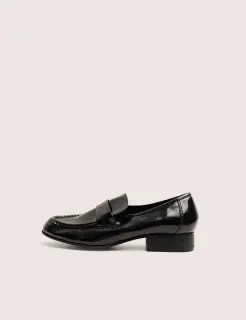 Public Desire UK Haboo Black Loafers £32.99 Shop at Public Desireaffiliate link
The picture shows the answer in one outfit, and a realistic view of the day: a lot of it is waiting. The cardigan is Original Penguin's women's golf cardigan in Tortilla, a cream knit with navy trim (£80), buttoned over a white collar, with navy trousers and Public Desire's Haboo loafers in black patent (£33), on a US size 10. The trousers and the tote are described, not sold by the shops we work with.
Is there a dress code for jury duty?
Not a national one. The federal judiciary's general pages for jurors explain pay and qualifications and say nothing about clothes. The rule comes from the court that summoned you, and sometimes from the judge. The federal court for the Western District of Texas says so directly: "Yes, specific dress codes are set by each judge. See the local jury instructions for details."
What courts write falls into three groups.
Business casual, the largest group. The federal courts for the Northern and Eastern Districts of Oklahoma use the same sentence: "Business casual attire is acceptable, but since you will actually be involved in court proceedings, clothing such as tank or halter tops, shorts, T-shirts, or sweat pants is not appropriate to wear while you are sitting as a juror." The Superior Court of Los Angeles County: "You must dress in a manner that observes the dignity of the courtroom. Business casual is always appropriate." Maricopa County, Arizona: "The dress code for jury duty is business casual; shorts and tank tops are not appropriate." The court in Orlando asks for jurors "in a manner that is respectful of the court, preferably in business casual attire."
Business attire, a smaller and stricter group. The federal court in Los Angeles: "Business attire is strongly suggested. Ties are not required." Harris County, Texas, which covers Houston: "Business attire is recommended. When in doubt, dress professionally but with comfort in mind." California's state courts: "Business attire is always appropriate."
Comfortable is fine, within limits. The federal court in Atlanta: "Jurors should be comfortably dressed." Philadelphia: "Casual attire should be worn as long as it is in keeping with the dignity of court proceedings. Ties are not required. Slacks, sport shirts, and casual dresses are all appropriate." Massachusetts: "There is no specific dress code for jury duty, but you should avoid clothing that's excessively casual, revealing, or in bad condition." Washington State: "Dress comfortably. Suits, ties, and other, more formal wear are not necessary."
The reason behind all three is stated best by a county court in Oregon: "You won't be wearing a robe, but you should dress like you're doing important work."
What the courts say, side by side
| Court | The standard | Banned by name |
|---|---|---|
| US District Court, C.D. California (Los Angeles) | Business attire "strongly suggested" | Shorts, mini-skirts, tank tops, flip-flops, hats |
| US District Court, E.D. New York (Brooklyn) | "Business casual" or "business"; "mandatory" | Jeans, shorts, tank tops, sweats |
| US District Court, S.D. New York (Manhattan) | "no formal dress code exists" | Nothing listed |
| US District Court, S.D. Florida (Miami) | "casual business attire, is required" | Shorts, jeans, T-shirts |
| US District Court, S.D. Texas (Houston) | "slacks, jeans, shirts, dresses" | Shorts, flip-flops, tank tops, rips and holes |
| US District Court, District of Columbia | Respectful of "the formality of the court proceedings" | Denim jeans, shorts, tee shirts, athletic wear, hats |
| US District Court, N.D. Georgia (Atlanta) | "comfortably dressed" | Tank tops, halters, flip-flops ("We prefer") |
| Los Angeles County Superior Court | Business casual "always appropriate" | Shorts, tank tops, flip-flops, bare midriff |
| Harris County, Texas (Houston) | Business attire "recommended" | Nothing listed |
| Cook County, Illinois (Chicago) | "comfortably, but properly for a courthouse" | Shorts, mini-skirts, tank tops, halters |
| Maricopa County, Arizona (Phoenix) | Business casual | Shorts, tank tops, uniforms |
| Miami-Dade County, Florida | "appropriate business attire" | Shorts, uniforms |
| Clark County, Nevada (Las Vegas) | "Proper clothing"; no suit or tie needed | Shorts, halter tops, muscle shirts, tank tops, hats, jogging suits |
| Philadelphia | Casual, in keeping with "the dignity of court proceedings" | Nothing listed |
| Massachusetts | "no specific dress code" | "excessively casual, revealing, or in bad condition" |
The strictest sentence we found is Brooklyn's: "Proper court attire is mandatory. No jeans, shorts, tank tops, sweats or other very casual attire is permitted." The mildest is Manhattan's, a few miles away: "While no formal dress code exists, jurors are requested to dress in a manner respectful to the Court."
What to wear to jury duty: women
Any of these meets the business casual standard and every stricter one short of a suit:
- Tailored pants or dark trousers with a blouse, a fine sweater or a polo.
- A skirt or dress at or below the knee, with sleeves or with a cardigan.
- A cardigan or blazer as the layer you will need anyway.
- Loafers, flats, low block heels or ankle boots. Closed toes.

- Original Penguin Women's Midweight 1/4 Zip Golf Pullover In Black Iris Heather £77 no longer sold
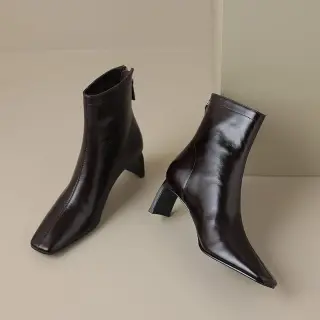 CHIKO Brielle Square Toe Chunky Heels Ankle Boots $138 Shop at CHIKOaffiliate link
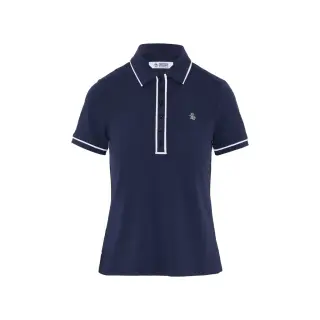 Original Penguin Women's Veronica Golf Polo In Black Iris £38.50 Shop at Original Penguinaffiliate link
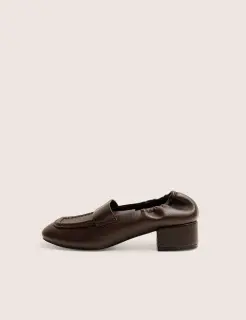 Public Desire UK Kelsy Brown Loafers £12 Shop at Public Desireaffiliate link
On the left: Original Penguin's women's quarter-zip pullover in Black Iris Heather, a very dark navy (£110), with gray tailored trousers and CHIKO's Brielle ankle boots in dark brown (US$138), on a US size 12. The trousers are described, not sold. A knit with a collar is ideal for a courthouse: warm, plain, and it looks deliberate.
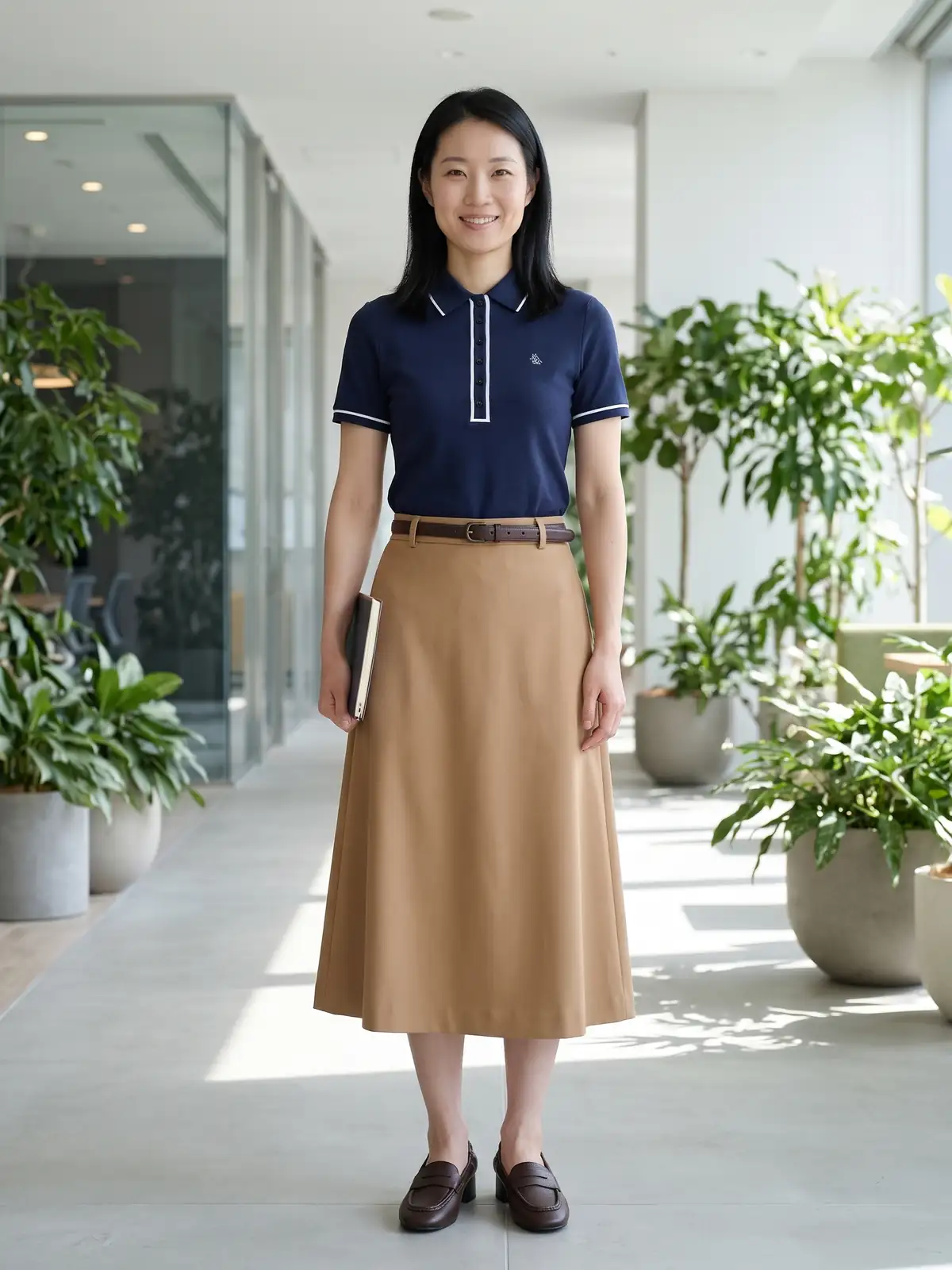
On the right: Original Penguin's Veronica polo with white trim (£55), tucked into a camel midi skirt with a brown belt, and Public Desire's Kelsy loafers in brown (£12 at the time of writing). The skirt and belt are described, not sold. A skirt that ends mid-calf is a safe length in a court like Cook County's or Los Angeles federal court, both of which ban mini-skirts by name.
A former judicial clerk interviewed by Who What Wear gives the same advice in other words: sleeved blouses in neutral tones, a cardigan as a layer, a structured blazer, and nothing loud, revealing or open-toed, because the day is about the trial and not the juror. Our guide to business casual for women has six more outfits at this level.
What to wear to jury duty: men
- Chinos or wool trousers with a collared shirt or a polo.
- A sweater, a zip jacket or a blazer for the cold.
- Leather shoes, or clean plain sneakers where the court is relaxed.
- No tie needed. The Los Angeles federal court says "Ties are not required", and Clark County says "A suit and a tie are not required to serve as a juror."
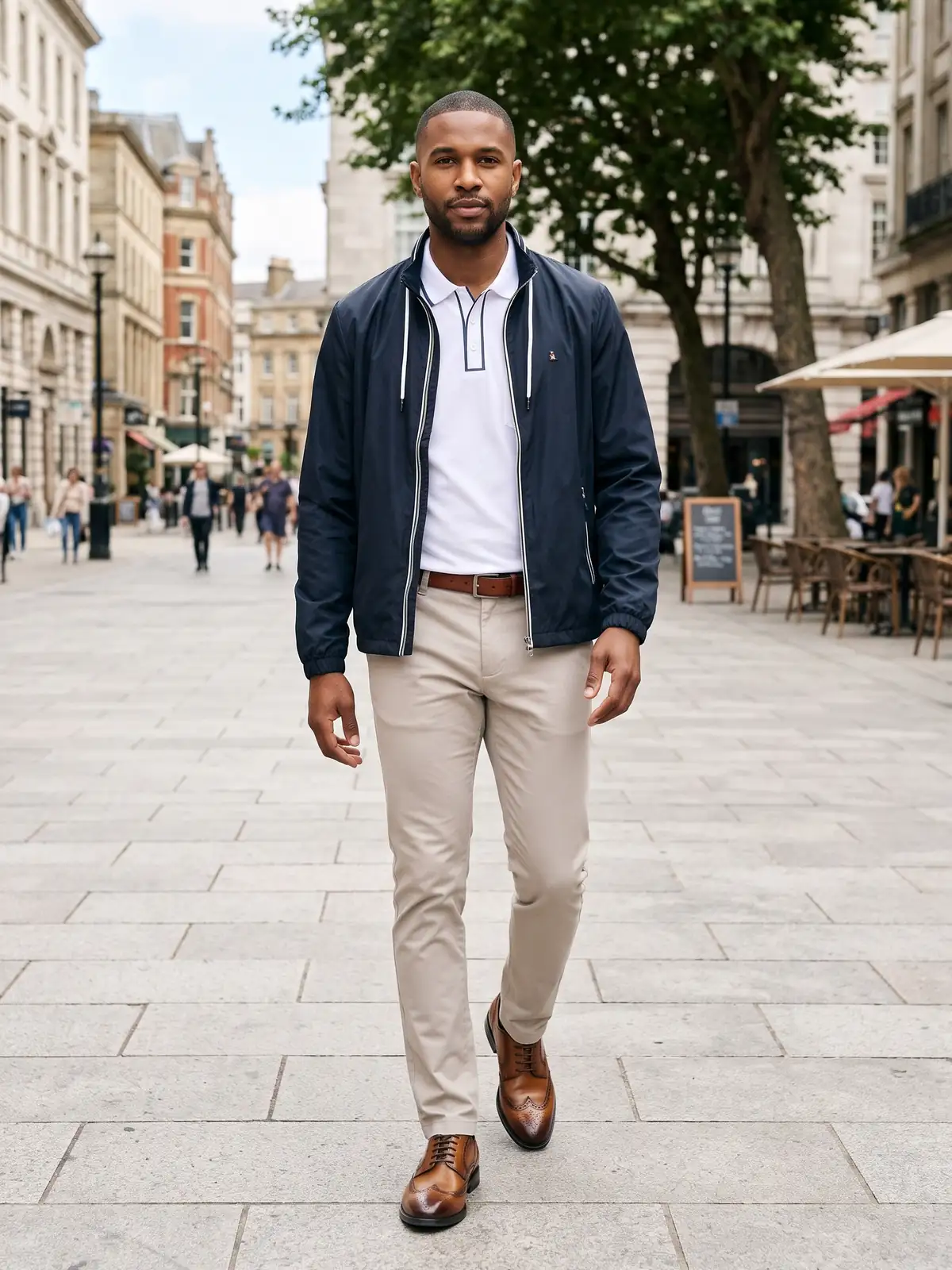
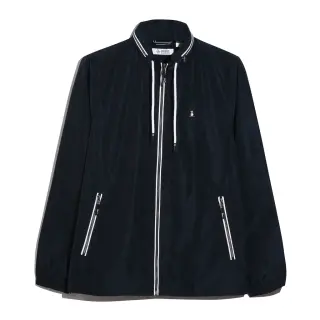 Original Penguin Icons Ratner Lined Jacket In Dark Sapphire £84 Shop at Original Penguinaffiliate link
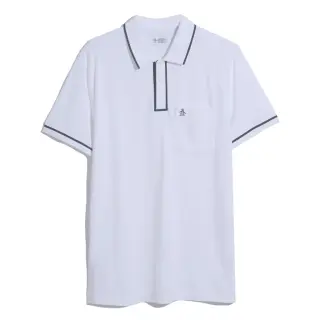 Original Penguin Earl Pique Polo Shirt In Bright White £38.50 Shop at Original Penguinaffiliate link
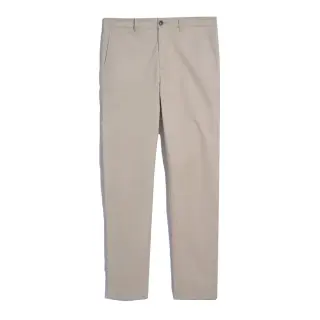 Original Penguin Slim Fit Chinos In Travertine £49 Shop at Original Penguinaffiliate link
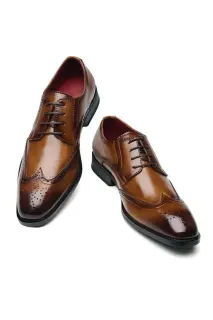 Zapaka Brown Lace-Up Leather Men's Shoes $89 Shop at Zapakaaffiliate link

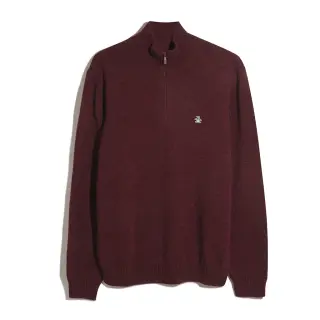 Original Penguin Lambswool Quarter Zip Sweater In Cabernet £59.50 Shop at Original Penguinaffiliate link
- Original Penguin Straight Fit Jeans In Medium Indigo £52.50 no longer sold
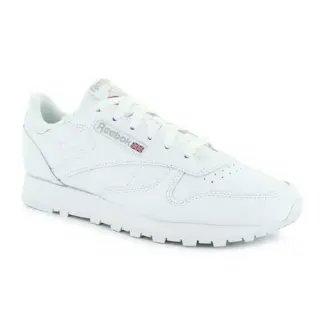 Reebok Classic Leather White, White, Pure Grey Men's Classic $69.99 Shop at eFootwearaffiliate link
On the left: Original Penguin's Icons Ratner jacket in Dark Sapphire (£120) over its Earl pique polo in white with navy tipping (£55), its slim chinos in Travertine, a pale stone (£70), and Zapaka's brown wingtip brogues (US$89), on a 40R. This passes in every court in the table.
On the right: Original Penguin's lambswool quarter-zip in Cabernet (£85), its straight jeans in medium indigo (£75) and Reebok's Classic Leather sneakers in white (US$70), on a 44R. This is right for Houston's federal court, Philadelphia or San Bernardino, and wrong for Brooklyn, Miami or Washington, which ban jeans by name. That one difference is the subject of the next section. The full men's wardrobe at this level is in our guides to business casual for men and smart casual for men.
Can you wear jeans to jury duty?
It depends on the court, and the split is clear in the texts.
Banned by name in six federal courts we read:
- Southern District of Florida: "Shorts, jeans and t-shirts are not considered appropriate."
- Northern District of Iowa: "Shorts, jeans, t-shirts, tank tops and sweatshirts should not be worn."
- District of Connecticut: "tank or halter tops, shorts, t-shirts, blue jeans or sweat pants is not appropriate".
- Eastern District of New York: "No jeans, shorts, tank tops, sweats or other very casual attire is permitted."
- District of Columbia: "Denim jeans, shorts, tee shirts, athletic wear, and hats are not appropriate."
- One judge's courtroom in the Eastern District of Texas, whose notice bars "jeans or other denim pants".
Allowed by name in three American courts:
- Southern District of Texas: "slacks, jeans, shirts, dresses, etc., without holes, rips, or tears."
- San Bernardino County, California: "Wear business or business-casual clothing (jeans are allowed)."
- Grand Traverse County, Michigan: "jeans are acceptable as long as they are in good condition without holes."
Every other court we read is silent on jeans. So the rule of thumb: in a federal court, assume no unless the court says yes. In a state or county court, dark jeans with no rips, worn with a collared shirt and a blazer or sweater, are rarely a problem. If your summons does not say, wear trousers. Nobody has been sent home for chinos.
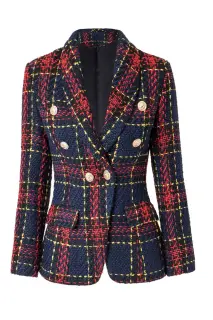 Zapaka Blue Red Slim Retro Lapel Plaid Women Blazer $98 Shop at Zapakaaffiliate link
- Public Desire UK Kelsy Brown Loafers £12 Shop at Public Desireaffiliate link
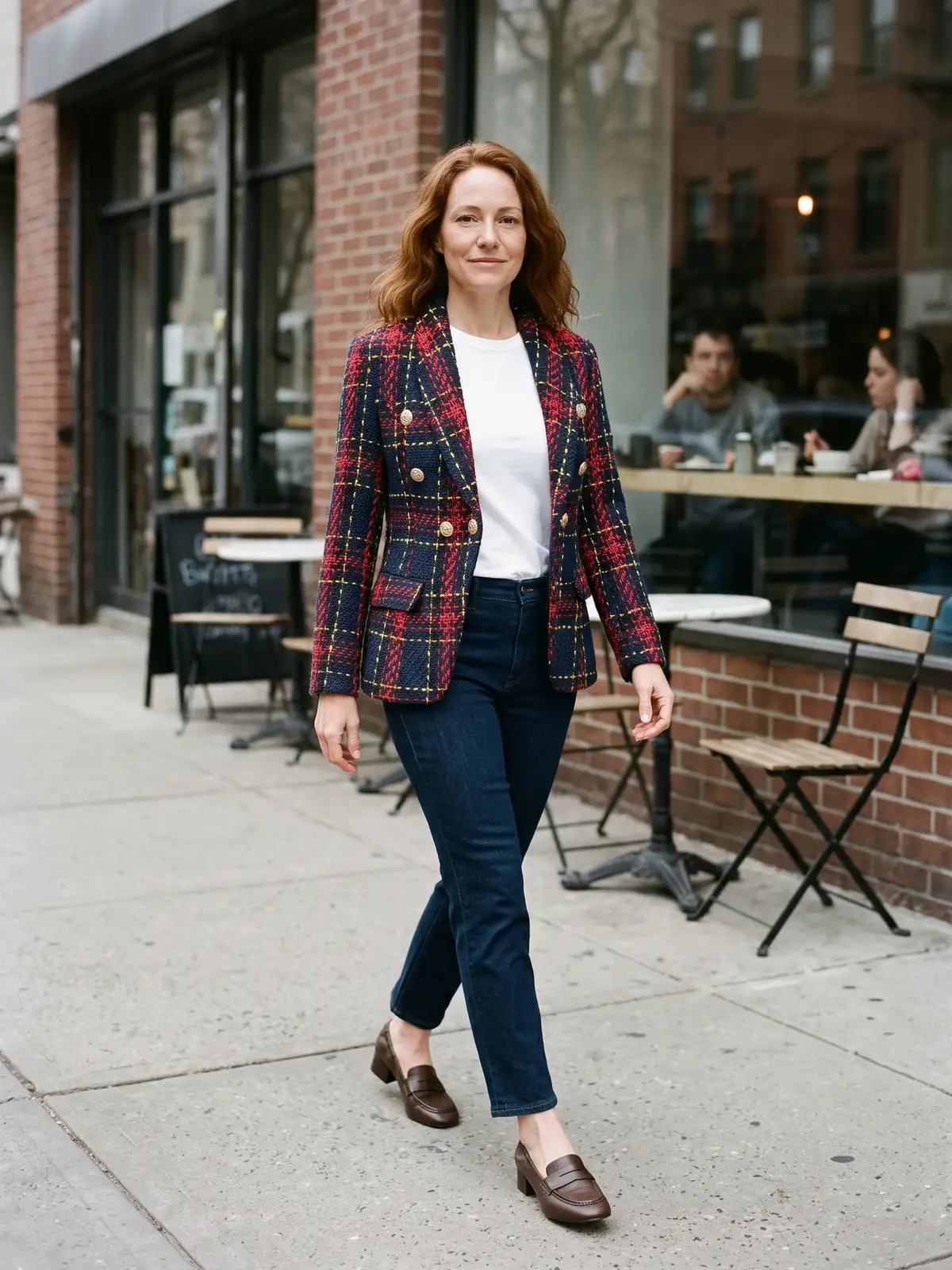
If your court allows jeans, this is how to wear them: dark, plain, with a jacket. The blazer is Zapaka's plaid tweed in navy and red (US$98), over a white T-shirt, with Public Desire's Kelsy loafers (£12). The T-shirt and jeans are described, not sold.
What not to wear to jury duty
These are the items that court after court names.
| Item | Example of a court that bans it |
|---|---|
| Shorts | Nearly all, including California's state courts: "Shorts, tank tops, bare midriffs, or similar dress are not allowed." |
| Tank tops, halter tops | Cook County: "Shorts, mini-skirts, tank tops and halters are NOT permitted." |
| Hats in the courtroom | District of Connecticut: "No hats are permitted in the courtroom during any proceedings." |
| Flip-flops | Eastern District of Louisiana: "Shorts, tank or halter tops and flip-flop sandals are not considered appropriate attire." |
| T-shirts with slogans or images | Western District of North Carolina bans "clothing with offensive wording and/or images". |
| Bare midriff, crop tops | San Bernardino: "Do not wear shorts, tank tops, crop tops, or go barefoot." |
| Sweatpants, athletic wear | District of New Jersey bans "jogging suits (nylon or otherwise)". |
| Sleeveless tops | District of New Jersey, the only court we found that bans them outright. |
| Capri pants, skorts | Bexar County, Texas: "No Shorts, No skorts, no capri pants, and no tank tops". |
| Uniforms | Maricopa County: "Uniforms are not permitted", nursing scrubs included. Miami-Dade bans them too. |
Uniforms are the surprise. Maricopa's list covers police, firefighters, military, security and "nursing scrubs", and it means what it says: "If you report to the Jury Assembly Room wearing a uniform, you will be asked to change or you will be asked to leave". One Michigan county takes the opposite view and lets jurors who go on to a shift come in uniform. Check before you plan to go straight to work.
Bring a layer: courtrooms are cold
This is the most repeated practical advice in the whole set. Twenty of the court pages we read give it. A sample:
- Central District of California: "Courtrooms can be cold, so a sweater or jacket is recommended."
- Southern District of Florida: "Our courtrooms are generally very cool and you may wish to bring a sweater or light jacket."
- District of Utah: "The temperature can be quite cool in the courtroom, so dress accordingly."
- Maricopa County: "Because temperatures vary in courtrooms and the assembly room, it is recommended to dress in layers."
- Columbia County, Oregon: "The heating and cooling systems don't always work well."
So even in July, wear long pants and carry a cardigan, a blazer or a zip jacket. It solves two problems at once: the cold, and bare shoulders, which several courts dislike.
Shoes, metal and the security line
You will go through a metal detector, sometimes several times a day. Courts mention it because it affects what you should wear.
- Manhattan's federal court: "You will have to pass through a metal detector each time you enter the courthouse. Please leave excess metal and jewelry at home to speed your entry."
- Western District of North Carolina: "you may not want to wear steel toe shoes".
- Southern District of West Virginia, on the detector: "Please keep this in mind as you choose your clothing and your shoes."
- Harris County, Houston: "Our office recommends that you wear socks, given the fact you will have to take off your shoes when you go through the security screening."
That last line is the most useful sentence in any court's instructions. Wear shoes that come off easily, and socks. Skip the belt with the big buckle and the stack of bracelets.
Then think about sitting. The court of New South Wales, in Australia, tells jurors plainly: "you may be sitting for long periods of time". Soft trousers, a waistband that does not dig in, and shoes you can walk a few blocks in at lunch. Our guide to what shoes to wear with business casual covers the options.
What happens if you are dressed inappropriately
You can be sent home, and several courts put it in writing.
- Central District of California: "Jurors who are not appropriately dressed will be sent home and ordered to appear for jury service on a future date."
- Cook County: "you will be asked to return home, at your own expense, to change into more suitable attire."
- Contra Costa County, California: "Any juror not appropriately dressed will be excused to return the next court day in appropriate attire."
- San Bernardino County: "Inappropriate clothing may result in being sent home to change or asked to return on another day."
- A county court in Oregon: "Anyone arriving in the courtroom dressed improperly may be sent away until properly attired."
In Detroit it is a court rule. Wayne County's rule on courthouse decorum lets the jury clerk "require a juror whose clothing does not comply with subsection (D) to obtain appropriate attire or to report for service on a later date."
Being sent home does not end your service. It postpones it, and costs you a second trip.
One thing clothing does not appear to do is decide whether you are picked. Trial consultants write a great deal about how witnesses and lawyers should dress; the ABA Journal reported one telling attorneys to choose well-cut clothes in conservative colors that do not distract. We found no study or court source saying a juror's outfit changes the outcome of jury selection. Dressing badly to get out of jury duty risks a wasted day and a new date, nothing more.
How long the day is, and how likely you are to serve
Plan for a full working day in the building.
- Alameda County, California: "plan to attend court as a juror from 8:00 a.m. to 5:00 p.m."
- Clark County, Nevada: "you may be called as early as 7:30 am and must be prepared to remain at the courthouse until 5 p.m."
- Cook County: "If you are NOT selected to serve on a jury, you will be released at 4:30 p.m."
- Ontario, Canada: "Be prepared to spend the entire day at the courthouse."
Most people who are summoned never sit on a jury. Pew Research Center, relaying an estimate from the National Center for State Courts, reported that about 15 percent of American adults receive a summons in a year and that fewer than 5 percent of those summoned end up on a jury. The estimate rests on a 2007 survey, so treat it as an order of size. An NPR report on the same survey gave the raw numbers: 32 million summoned, about 8 million reporting, about 1.5 million selected.
But you may be chosen on the first morning. Harris County's reminder is the reason to dress properly on day one: "You may be selected for and actually serve on a jury the day you are summoned".
The pay will not cover a new wardrobe. "Federal jurors are paid $50 for each day of service". Cook County pays $35 a day, Fulton County in Georgia $25, and Philadelphia "$9.00 for each of the first three days". Everything in this guide can be put together from clothes you already own; our guide to the capsule wardrobe shows how few pieces it takes.
Summer and winter
Summer. Shorts are the one item almost every court bans, however hot it is outside. Wear light trousers, a midi skirt or a dress with sleeves, in cotton or linen, and carry the layer. Sandals are a risk: flip-flops are banned by name in several courts, and one Oregon court draws the line exactly, noting that "dress sandals are allowed". Closed shoes avoid the question.
Winter. Wear your coat and boots to the courthouse; nobody judges what you arrive in. Underneath, the same business casual, with a sweater. Remember the shoes may come off at security.
In the United Kingdom, Canada and Australia
England and Wales are the most relaxed. The government's guide for jurors says: "There is no strict dress code and you can wear clothes you’re comfortable in, such as jeans and a t-shirt." It rules out only "very casual clothing, such as beachwear" and headwear. British jurors on the forum Mumsnet report the same from experience: many wore jeans and trainers.
Canada. Ontario: "You do not have to dress formally, but the court expects all jurors to be clean and neat." British Columbia's advice to anyone attending court: "Wear clothes that are clean, neat, tidy, respectful and comfortable."
Australia. New South Wales: "You should dress in neat, comfortable clothes. Please do not wear shorts or thongs." (Thongs are flip-flops in Australian English.) It adds: "You do not need to wear a suit or business attire".
So the American courts are the strict ones. A British juror in jeans and a T-shirt is following the rules; the same outfit would get a juror sent home in Brooklyn.
Questions people ask
What should you wear to jury duty?
Business casual: long pants or a knee-length skirt, a collared shirt, blouse or plain sweater, closed shoes, and a sweater or jacket for the cold. That meets the rules of every American court we read.
Can you wear jeans to jury duty?
In some courts. Six federal courts we read ban jeans by name; the federal court in Houston, San Bernardino County and one Michigan county allow them if they have no holes; most courts do not mention them. If your summons is silent, trousers are the safe choice.
Can you wear leggings to jury duty?
No court we read names leggings, but several ban athletic wear and "very casual attire". Under a dress or a long sweater they pass as tights; as pants, choose something else.
Can you wear shorts to jury duty?
No. Shorts are the item courts ban most often, in every season.
Can you wear sneakers to jury duty?
Clean, plain sneakers are not banned by name in any court we read. In a court that asks for business attire, wear leather shoes.
Do you have to dress up for jury duty?
No suit and no tie. Clark County, Nevada: "A suit and a tie are not required to serve as a juror." Neat and covered is the standard.
What happens if you wear the wrong thing?
You can be sent home to change or given a new date. You are not excused from serving.
Is it cold in the courtroom?
Usually. Twenty of the courts we read tell jurors to bring a sweater or to dress in layers.
Can you wear a hat to jury duty?
Not in the courtroom, in most courts. Take it off before you go in.
Sources
- United States Courts: Juror Pay
- US District Court, C.D. California: Jurors Dress Code
- US District Court, N.D. Iowa: What should I wear and what should I bring
- US District Court, S.D. New York: Is there a dress code?
- US District Court, E.D. New York: Jury FAQ
- US District Court, District of Columbia: Jury FAQ (PDF)
- US District Court, S.D. Texas: Jury Service FAQs
- US District Court, S.D. Florida: Is there a dress code for jury service?
- US District Court, D. Connecticut: What should I wear?
- US District Court, N.D. Georgia: What should I wear to jury duty?
- US District Court, N.D. Oklahoma: Juror Dress Code
- US District Court, W.D. North Carolina: Juror Dress Code
- US District Court, S.D. West Virginia: Dress Code and Courtroom Etiquette
- US District Court, D. Utah: What should I wear for jury duty?
- US District Court, D. New Jersey: General Jury FAQs
- US District Court, E.D. Louisiana: General Instructions for Reporting to Jury Service
- US District Court, W.D. Texas: Jury Service FAQs
- US District Court, E.D. Texas: Appropriate Courtroom Attire (PDF)
- Judicial Branch of California: Jury Service
- Superior Court of Los Angeles County: Notice to Summoned Jurors (PDF)
- Superior Court of Alameda County: Jury Service
- Superior Court of Contra Costa County: You've Been Instructed to Report
- Superior Court of San Bernardino County: Basic Information
- Harris County District Clerk: Getting Prepared
- Bexar County, Texas: Jury Services
- Miami-Dade Clerk: Jury Duty Guidelines
- Ninth Judicial Circuit Court of Florida: Jury Duty FAQ
- Circuit Court of Cook County: For Jurors
- Mass.gov: What to expect on the day of your jury service
- Superior Court of Fulton County: Jury duty FAQ
- Philadelphia Courts: Jury Service
- Third Judicial Circuit Court, Wayne County: Courthouse Decorum rule (PDF)
- Grand Traverse County, Michigan: Attire
- Maricopa County Superior Court: Prepare for Jury Service
- Eighth Judicial District Court, Clark County: Jury Services
- Washington Courts: Jury Duty FAQ
- Oregon Judicial Department, Columbia County: Juror FAQs
- Oregon Judicial Department, Union County: Rules, Etiquette, and Dress Code
- GOV.UK: Jury service, going to court as a juror
- Government of Ontario: Jury summons (updated June 5, 2026)
- Government of British Columbia: Preparing for Court
- NSW Sheriff's Office: Attending court for jury service (PDF)
- Pew Research Center, John Gramlich: Jury duty is rare, but most Americans see it as part of good citizenship (August 24, 2017)
- NPR, via WUNC: Jury Duty, who gets called and who actually serves (June 7, 2015)
- ABA Journal, Martha Neil: Dress for Jury Success, Less is More (September 24, 2007)
- Who What Wear, Dale Arden Chong: How to Dress for Jury Duty, According to a Lawyer
- Mumsnet: Do you have to dress smart for jury service? (July 31, 2019)
The images in this guide are AI-generated: real garments from our catalogue, shown on our own recurring models and made from the shops' photos of each piece. They are not photographs of real people. Prices are the ones the shops showed on November 21, 2026 and can change. Wear It On Me earns a commission when you buy a garment through an affiliate link in a guide (the links are marked, and it costs you nothing extra); a commission never decides what we recommend. How we make these guides.