Business casual for men: the formula, the gray areas and five outfits
Business casual for men is a collared shirt, chinos or wool pants, a belt and leather shoes; blazer optional, no tie needed. Jeans, polos and sneakers, settled.
Wear It On Me earns a commission on garments bought through affiliate links in our guides. That never decides what we recommend. Details.
Business casual for men is a collared shirt, chinos or wool pants, a belt and leather shoes, with a blazer or a sweater on top when you need one. No tie is required, and a matching suit overshoots. That formula is safe in any American office that uses the words. What it leaves open is jeans, polo shirts and sneakers, and on those three even the best menswear writers disagree. This guide gives the formula, then each gray area with who says what, on five outfits built from pieces you can buy.
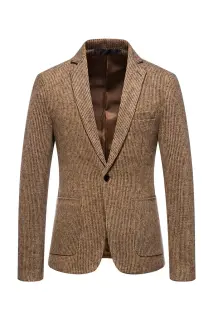 Zapaka Khaki Tweed One Button Notched Lapel Men's Blazer $79 Shop at Zapakaaffiliate link
- Farah Brewer Relaxed Fit Oxford Shirt In Sky Blue £70 no longer sold
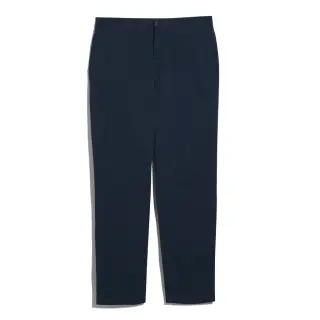 Original Penguin Straight Fit Chinos In Dark Sapphire £56 Shop at Original Penguinaffiliate link
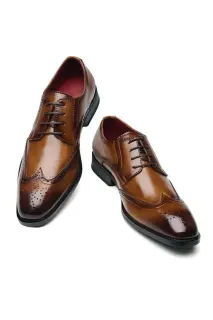 Zapaka Brown Lace-Up Leather Men's Shoes $89 Shop at Zapakaaffiliate link
What business casual means for men
The Emily Post Institute, the American etiquette authority, lists it in four lines: a "Seasonal sport coat or blazer with slacks or khakis", a "Dress shirt, casual button-down shirt, open-collar or polo shirt", an "Optional tie", and "Loafers or loafer-style shoes, and socks".
Menswear writers reach the same place from the other direction, by saying what to remove from a suit. Jack Collins at Gentleman's Gazette sets the outer limits: "you need to steer clear of suits and shorts". Southern Tide, the clothing brand, describes the middle: "The sweet spot looks like khaki pants, a button-down, and an optional jacket." And the stylist Peter Nguyen, who writes The Essential Man, gives the warning that explains every argument further down this page: "Business casual means different things to different industries."
It is also what most men now wear to work, or dressier than what they wear. In Gallup's August 2023 poll of US workers, men were about evenly divided between business casual, street clothes and uniforms, and "Just 3% of men report they regularly wear a suit to work." So business casual is no longer the relaxed option. In most offices it is the top of the daily range. The general rules, for women as well as men, are in our main guide to business casual.
The formula, piece by piece
| Piece | The safe choice | A step more relaxed | Outside the dress code |
|---|---|---|---|
| Shirt | Oxford or poplin button-up in white or light blue, tucked in | Fine check or stripe, knitted polo, chambray | T-shirt on its own, flannel work shirt, anything untucked and long |
| Pants | Chinos or wool pants in navy, gray, charcoal or khaki | Stone or olive chinos, dark jeans where allowed | Faded or ripped jeans, cargo pants, joggers, shorts |
| Layer | Navy or textured blazer, sport coat | Merino crew neck, cardigan, quarter-zip | Hoodie, fleece vest with a logo, track jacket |
| Shoes | Brown or black derbies, brogues, loafers, monk straps | Suede chukkas, plain leather sneakers where allowed | Running shoes, sandals, scuffed anything |
| Details | Leather belt matching the shoes, socks matching the pants | No-show socks with loafers in summer | Athletic socks, a novelty belt |
One rule from Nguyen helps you place any item you are unsure of: "The MORE details a piece of clothing has, the MORE casual it is." A plain navy blazer is dressier than one with patch pockets and contrast stitching. A smooth oxford shoe is dressier than a brogue covered in perforations. A solid shirt is dressier than a check. When you need to move an outfit up or down, change the piece with the most going on.
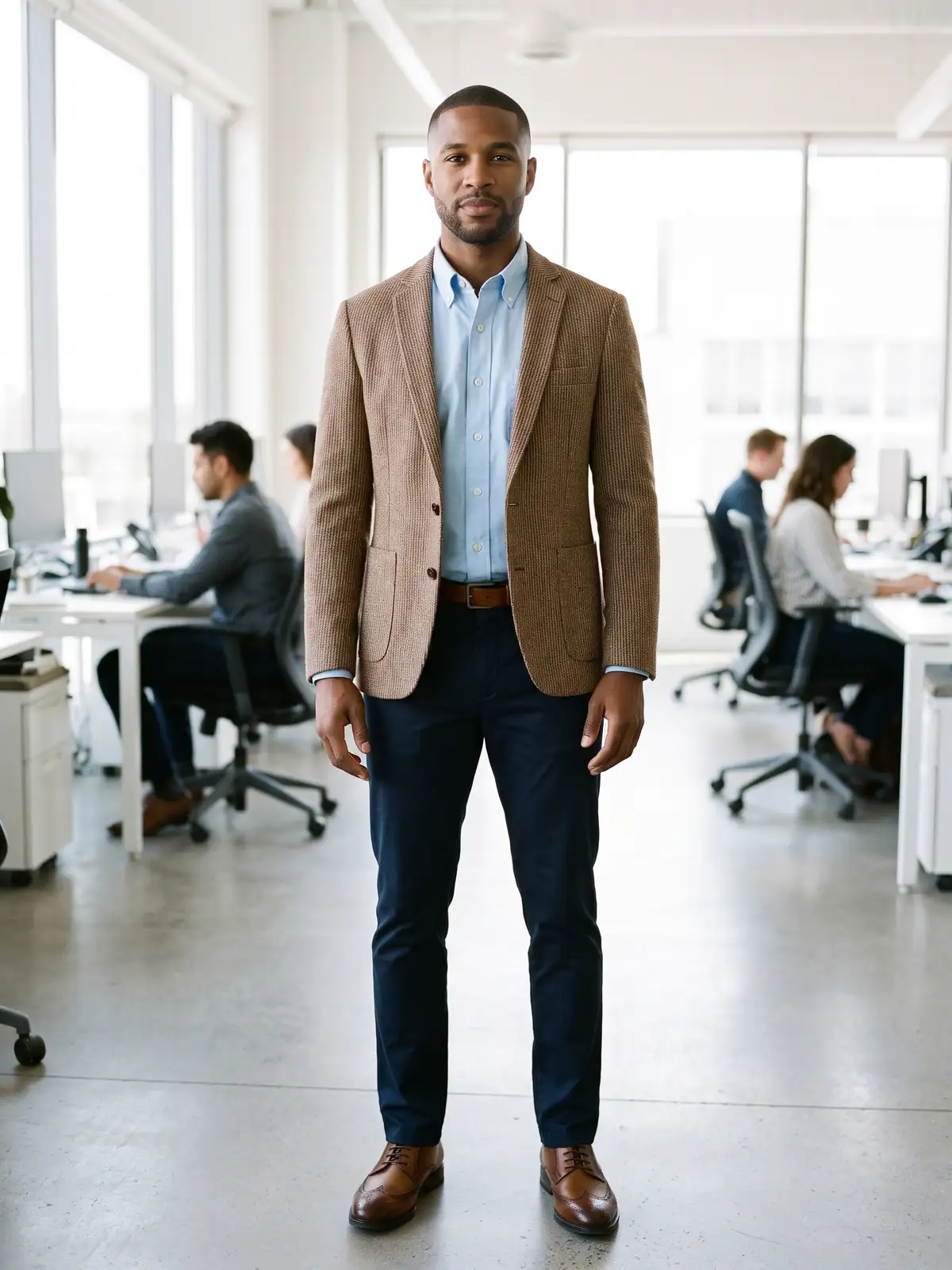
The outfit at the top of the page is the dressy end of the formula. The jacket is Zapaka's khaki tweed blazer (US$79), single-button with notched lapels. Under it is Farah's Brewer oxford shirt in sky blue (£70), open at the neck. The chinos are Original Penguin's straight fit in Dark Sapphire, a deep navy (£80), and the shoes are Zapaka's brown lace-up brogues (US$89). Every piece is the relaxed cousin of something in a suit: tweed for smooth wool, an oxford for a dress shirt, brogues for plain oxfords, chinos for suit pants. That is the whole idea of the dress code.
Shirts: start with white and light blue
The menswear writer Derek Guy, on Put This On, keeps this simple: "For shirts, stick to a foundation of whites and light blues." Both colors work with every pant color in the table, with or without a jacket. An oxford cloth button-down is the default because it is thick enough to wear alone and soft enough not to look like half a suit.

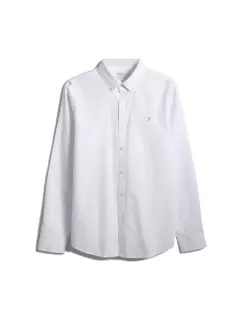 Farah Brewer Slim Fit Oxford Shirt In White £45.50 Shop at Farahaffiliate link
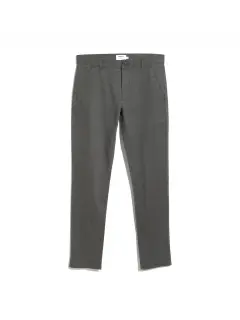 Farah Elm Slim Fit Chinos In Charcoal £42 Shop at Farahaffiliate link
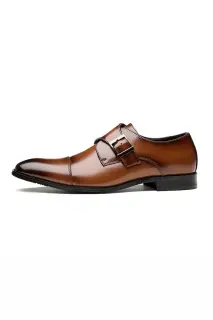 Zapaka Brown Slip-On Leather Men's Party Shoes $89 Shop at Zapakaaffiliate link
This is the shirt doing the work alone: Farah's white Brewer oxford in a slim fit (£65), its Elm slim chinos in charcoal (£60), a brown belt, and Zapaka's brown monk-strap shoes (US$89). Nothing here is interesting, and it does not need to be. It is tucked, pressed and belted, and that is what separates it from the same shirt on a Saturday.
Tuck the shirt in. A shirt cut to be worn out ends around the middle of the fly; a dress shirt worn out covers the seat and looks borrowed. And once it is tucked, wear a belt. SEEK, the Australian job site, answers that question the way I would: "If your pants have belt loops and you've tucked your shirt then yes, a belt is a must."
Pants: chinos, wool, and three colors
Proper Cloth, the New York shirtmaker, names the palette: "navy, grey, and tan or khaki colors provide a base that is easy to complement". Chinos in those colors are the business casual pant. Wool pants, the kind sold as suit separates, are the dressier alternative and the better choice under a blazer in a conservative office.
Fit carries more weight than fabric. The pants should sit at the waist without a belt holding them up, and end where they touch the top of the shoe with one small fold or none. Pants that pool at the ankle make everything above them look careless. Charcoal, as in the picture above, is the most formal of the chino colors and the easiest to wear with a white shirt and no jacket.
Blazers and sport coats
Charles Tyrwhitt, the British shirtmaker, says of the jacket: "A blazer is optional but useful." Useful, because it is the one piece that changes the level of everything under it. A shirt and chinos with a blazer is ready for a client. The same shirt and chinos without it is an ordinary Wednesday. Keep one on the back of your chair.
The first jacket to own is navy, in wool with a little texture, such as hopsack. The second can have a pattern, like the tweed in the first picture. If you are not sure whether your jacket is a blazer, a sport coat or half of a suit, our guide to what a sport coat is shows the differences. The short version: a jacket that came with matching pants usually looks wrong without them, because suit cloth is smoother and shinier than anything made to be worn alone.
Sweaters and quarter-zips
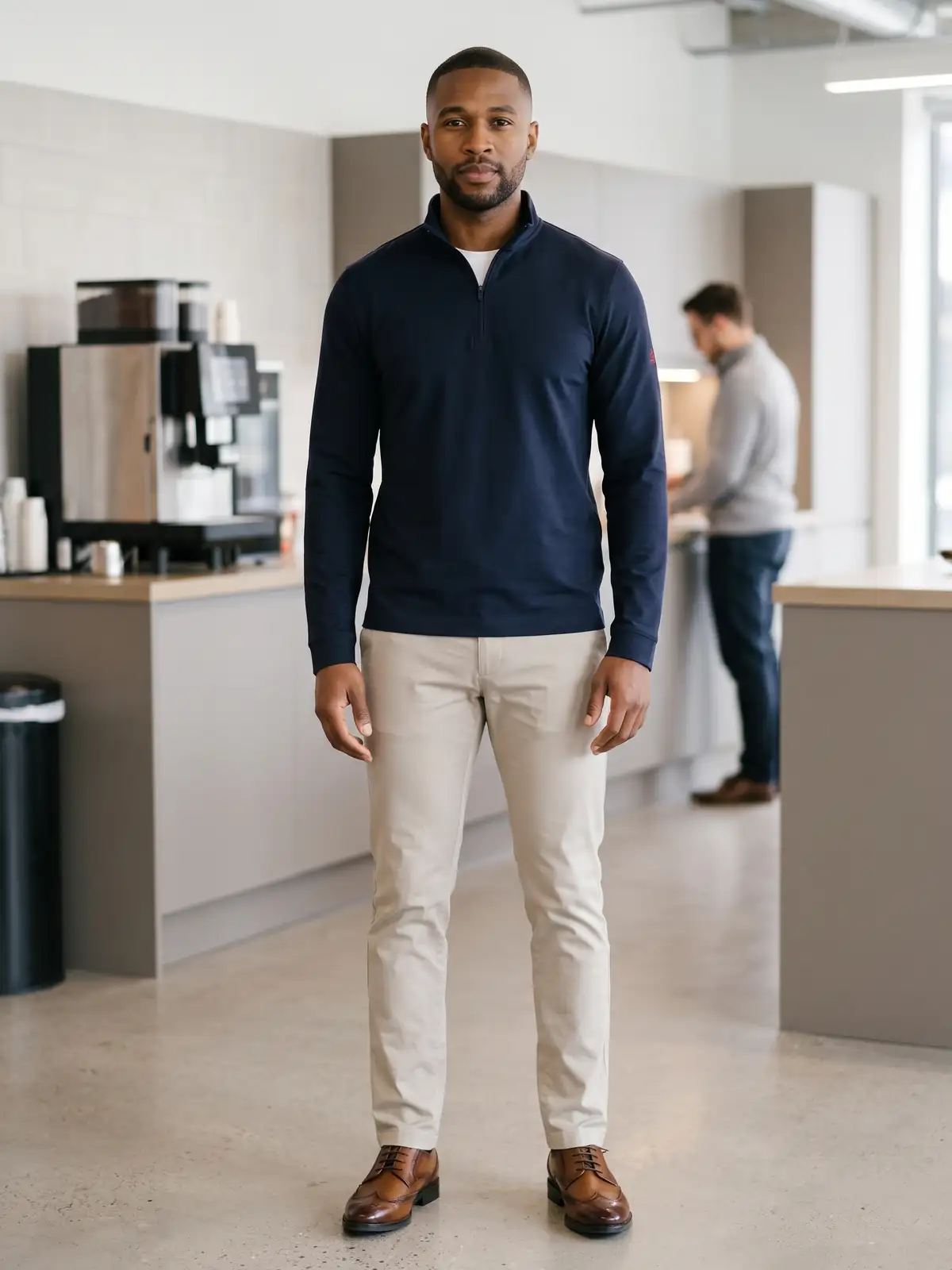
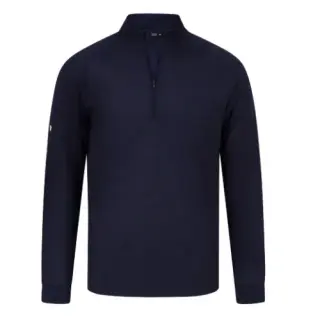 Levelwear Men's Navy Calibre Quarter Zip Pullover $85 Shop at eFootwearaffiliate link
- Original Penguin Straight Fit Chinos In Travertine £56 no longer sold
- Zapaka Brown Lace-Up Leather Men's Shoes $89 Shop at Zapakaaffiliate link
A fine sweater replaces the blazer in offices that never see one. A merino crew neck or V-neck over a collared shirt is the classic version. The quarter-zip is the American office standard, and it is one step more casual, since it comes from sportswear.
This one is Levelwear's Calibre quarter-zip in navy (US$85), over a plain white T-shirt, with Original Penguin's straight chinos in Travertine, a pale stone (£80), and the brown brogues again (US$89). The leather shoes and pressed chinos keep it in business casual. If your office is on the conservative side, wear a collared shirt under the zip so a collar shows at the neck. And skip the logo: a quarter-zip with a team or company crest is a different garment in the eyes of anyone deciding whether you made an effort.
Is a polo shirt business casual?
By the oldest definition, yes. Emily Post's list includes an "open-collar or polo shirt", and Gardner-Webb University's career guide describes the business casual top as a "Well pressed collared shirt or polo shirt." Not everyone agrees. The Tie Bar's guide says: "Flannels and polos are considered much too relaxed for business casual." Hockerty, the custom tailor, lands between the two: a polo is fine in many offices but "may not be suitable for conservative corporate settings like law firms or financial institutions".

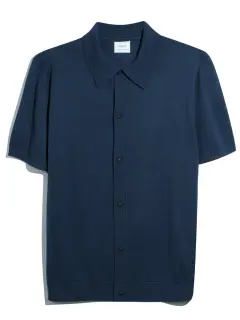 Farah Poplar Knitted Button Front Polo Shirt In Aegean Blue £32 Shop at Farahaffiliate link
- Farah Elm Slim Fit Chinos In Charcoal £42 Shop at Farahaffiliate link
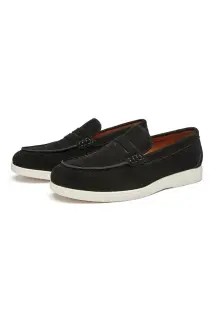 Zapaka Black Slip-on Men's Casual Shoes $89 Shop at Zapakaaffiliate link
The polo that passes is not the one you play golf in. This is Farah's Poplar in Aegean Blue (£32), a fine-knit polo with a full button front and a proper collar, closer to a short-sleeved cardigan than to a sports shirt. It is worn with the charcoal Elm chinos (£60) and Zapaka's black suede loafers (US$89). Three things make it work: the knit is fine and matte, the color is dark and solid, and there is no logo. A pique polo in a bright color with a crest on the chest belongs to the weekend. The white sole on the loafers makes this the most relaxed outfit on the page; for a stricter office, change them for the brown monk straps.
Are jeans business casual for men?
This is the biggest split in the dress code.
- No. Real Men Real Style: "a "business casual" invitation still requires slacks or khakis (not jeans) and a collared shirt." Hockerty's short list of things to skip includes "distressed denim".
- Yes, with conditions. Gentleman's Gazette: "Dark denim only". Art of Manliness: "Keep your denim dark, free of distress, and well-fitted."
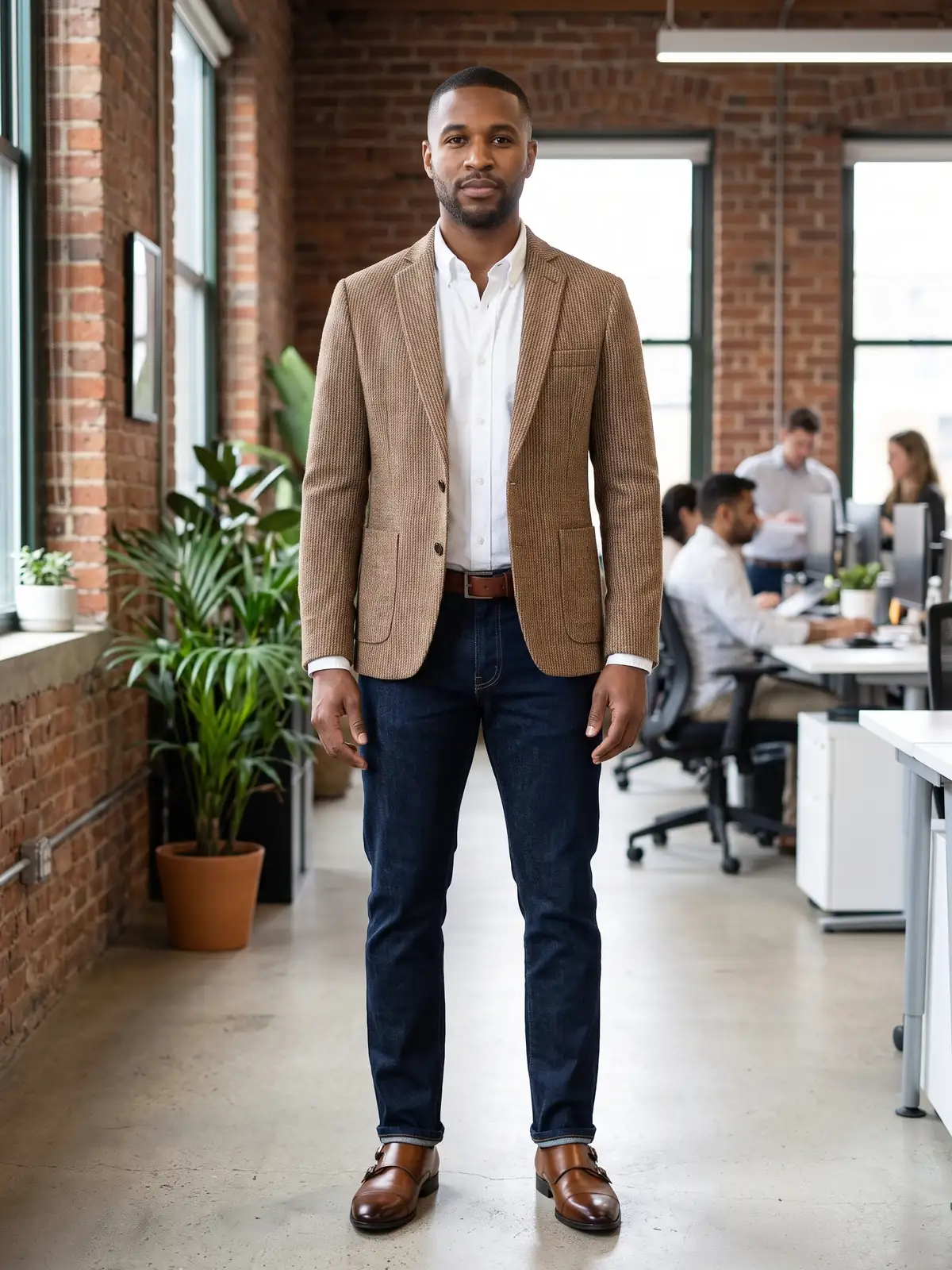
- Zapaka Khaki Tweed One Button Notched Lapel Men's Blazer $79 Shop at Zapakaaffiliate link
- Farah Brewer Slim Fit Oxford Shirt In White £45.50 Shop at Farahaffiliate link
- Zapaka Brown Slip-On Leather Men's Party Shoes $89 Shop at Zapakaaffiliate link
Where jeans are accepted, this is how to wear them: dark indigo, straight leg, no fading, no rips, hemmed at the ankle, with the same tweed blazer, Farah's white oxford shirt and the brown monk straps. Everything else in the outfit is dressier than it would need to be with chinos. That is the trade. Jeans take the outfit down a level, so the jacket and the shoes have to bring it back up.
If you do not know your office yet, the British style writer Josh Sims has the tiebreaker, in FashionBeans: "If in doubt about jeans, wear chinos or trousers; if in doubt about trainers, wear shoes."
Shoes: loafers, derbies, brogues, and the sneaker question
Leather shoes in brown are the center of business casual. Derek Guy's advice is to "consider picking up a few pairs of dark brown derbies", and that is the right first pair: the open lacing makes a derby less formal than an oxford, and dark brown works with navy, gray, khaki and jeans. Loafers are the second pair. Max Berlinger, a fashion writer quoted by Katie Couric Media, sees them coming back: "men have really been embracing loafers and dress shoes again". Our guide to how to style loafers covers socks, pant length and which loafer goes with what. Brogues, monk straps and suede chukka boots all sit at the same level. The women's side of the question is in our guide to business casual shoes.
Sneakers are the argument.
- The Modest Man: "Sneakers, even minimal white leather ones, are generally not acceptable for business casual."
- Gentleman's Gazette: "sneakers are typically going to be seen as inappropriate for business casual".
- Southern Tide: "Clean white sneakers rarely qualify as business casual unless your office calls out exceptions."
- Peter Nguyen, on the other side: "a clean, minimal sneaker is totally acceptable in most of today's workplaces".
- Charles Tyrwhitt, in the middle: "clean leather trainers if accepted (otherwise loafers/Derbies)".
Three against, one for, one "check first". I would read that as: plain leather sneakers are an office-by-office permission, not part of the dress code. If your office grants it, wear them with pressed chinos and a collared shirt, never with jeans and a T-shirt on the same day.
Socks, briefly. Art of Manliness gives the traditional rule: "Socks should match the trouser color", which makes your legs look longer when you sit. Navy socks with navy pants, gray with gray. White athletic socks are the one clear mistake.
Do you need a tie?
No. The Modest Man: "Business casual for men doesn't require a tie." The University of Georgia's career center: "Ties are generally not necessary for business casual". The Tie Bar, which sells them, puts it fairly: "A tie isn't required for business casual, but wearing one is never wrong".
If you do wear one, Derek Guy has the condition: "you should never wear a tie without a tailored jacket". A tie with shirtsleeves is a uniform. A tie under a blazer or a sport coat, in knitted silk or wool so it does not look borrowed from a suit, is a good outfit for a presentation day.
The tie has been in retreat for thirty years. According to FashionUnited, a trade publication, US tie sales peaked in 1995 at 1.3 billion dollars. Keep one in a desk drawer anyway. Sims again: "You can always take a tie off, but you can't pull one out of thin air."
Summer and winter
In summer, change the fabric and keep the shape: lighter chinos, linen-cotton shirts, an unlined cotton or hopsack blazer, loafers with no-show socks. A knitted polo earns its place between June and September in offices that allow it. Hockerty's one-line list covers what stays out all year: "Skip: ties, cufflinks, distressed denim, athletic sneakers, shorts."
In winter, add texture: flannel or corduroy pants, a merino sweater under the blazer, a tweed jacket like the one on this page, leather-soled boots or brogues with a rubber sole for wet days. A plain, dark quilted vest under a blazer works too.
On a video call, Charles Tyrwhitt points out, "the focus is on the top half". A collared shirt and a sweater or jacket in a solid color is all the camera sees. Wear the pants anyway.
Business casual for a job interview
Go one level above what the office wears. Art of Manliness: "Always err on the conservative side, which means wearing both a jacket and a necktie". If the recruiter says business casual, that means the first outfit on this page, with a tie added or at least in your pocket: blazer, light blue or white shirt, navy or gray pants, brown leather shoes, no jeans, no sneakers. If nobody tells you the dress code, wear a suit; our guide to business professional attire covers that level. In Randstad's 2019 survey of 1,204 employed Americans, 65 percent said it is important to wear a suit to an interview. The rest of the question, by industry and for video calls, is in our guide to what to wear to an interview.
Where the guides disagree, in one table
| Question | The stricter answer | The looser answer |
|---|---|---|
| Jeans | Real Men Real Style: "slacks or khakis (not jeans)" | Gentleman's Gazette: "Dark denim only" |
| Sneakers | The Modest Man: "generally not acceptable" | The Essential Man: "totally acceptable in most of today's workplaces" |
| Polo shirts | The Tie Bar: "much too relaxed" | Emily Post lists an "open-collar or polo shirt" |
| A tie | Never required | The Tie Bar: "wearing one is never wrong" |
| A blazer | Emily Post puts it first on the list | Charles Tyrwhitt: "optional but useful" |
None of these writers is wrong. They are describing different offices. (Courts write their own version for jurors: see what to wear to jury duty.) A law firm's business casual is a blazer, wool pants and oxfords. A software company's is a quarter-zip and clean sneakers. In The Modest Man's reader survey of 1,163 men, 27 percent named smart casual the most confusing dress code, and business casual was the next answer, picked by 20 percent. If you find the term vague, you are in good company, and the fix is to look at what the men one level above you wear and match the neater half of them.
In the United Kingdom
British offices use "smart casual" for roughly the same clothes, and the suit is just as rare. (See smart casual for men.) In YouGov's November 2023 survey, "Just 7% of workers say they don "business attire" at work, including 8% of male workers." The words change: pants are trousers, a sport coat is a sports jacket, a sweater is a jumper, sneakers are trainers. The advice does not. Charles Tyrwhitt's formula for a British office is the one in this guide, down to checking whether trainers are accepted before wearing them. If the invitation or the handbook says smart casual, our guide to smart casual explains where that code is looser.
Questions people ask
What is business casual attire for men?
A collared shirt, chinos or wool pants, a belt and leather shoes, with a blazer or a fine sweater as an optional layer. No tie is required. A full suit is more than the dress code asks for, and shorts, T-shirts and running shoes are less.
Can men wear jeans for business casual?
In some offices. Gentleman's Gazette and Art of Manliness accept dark, undistressed, well-fitted denim; Real Men Real Style says business casual means slacks or khakis, not jeans. If you are unsure, wear chinos.
Are sneakers business casual for men?
Mostly no. The Modest Man, Gentleman's Gazette and Southern Tide all rule them out unless the office says otherwise; The Essential Man accepts a clean, minimal pair. Brown loafers or derbies are always safe.
Is a polo shirt business casual for men?
Yes by the Emily Post Institute's list. Conservative offices, law and finance in particular, often expect a button-up shirt. A plain, fine-knit polo in a dark color is the version most likely to pass.
Do I need a blazer for business casual?
No, but it is the most useful piece you can own for it. A blazer over a shirt and chinos is ready for a client meeting or an interview; without it, the same outfit is right for a normal day.
Do you tuck in your shirt for business casual?
Yes, with a dress shirt or an oxford shirt, and wear a belt. A polo can be worn out if it ends near the middle of the fly.
What shoes do men wear with business casual?
Brown or black leather: derbies, brogues, loafers, monk straps or chukka boots. Dark brown is the most useful color because it works with navy, gray and khaki pants.
Can I wear a suit for business casual?
A full matching suit with a tie is too formal for the dress code, though nobody will send you home. Wear the jacket with different pants, or the suit with no tie and an open collar.
Sources
- Emily Post Institute: Attire Guide, Dress Codes from Casual to White Tie
- Gallup: Casual Work Attire Is the Norm for U.S. Workers (September 8, 2023)
- The Essential Man: Business Casual Style Guide for Men
- Gentleman's Gazette: Business Casual for Men
- The Modest Man: Business Casual Style
- The Modest Man: Men's Fashion Survey
- Art of Manliness: Business Casual Clothing
- Art of Manliness: How to Dress for a Job Interview
- Real Men Real Style: A Man's Guide to Dress Codes
- Put This On: How to Do Business Casual
- Hockerty: Business Casual for Men
- Hockerty: Is a Polo Business Casual?
- Proper Cloth: Business Casual
- The Tie Bar: Business Casual vs Business Professional
- Southern Tide: The New Business Casual for Men
- Katie Couric Media: What Is Business Casual for Men?
- Charles Tyrwhitt: How to Dress Business Casual
- FashionBeans: Business Casual Guide for Men
- SEEK: Business Casual for Men
- Gardner-Webb University: Business Attire Guide
- University of Georgia Career Center: Dress for Success
- FashionUnited: Do men's ties still sell?
- Randstad US: Casual Dress Is Almost Always in Fashion in Today's Workplace (August 27, 2019)
- YouGov: Just 7% of workers wear a suit to work (November 14, 2023)
The images in this guide are AI-generated: real garments from our catalogue, shown on our own recurring models and made from the shops' photos of each piece. They are not photographs of real people. Prices are the ones the shops showed on November 21, 2026 and can change. Wear It On Me earns a commission when you buy a garment through an affiliate link in a guide (the links are marked, and it costs you nothing extra); a commission never decides what we recommend. How we make these guides.