Best running shoes for flat feet: what the research says, and 8 pairs to try
Flat feet vs overpronation, the wet test's limits, what trials say about stability shoes, orthotics and foot exercises, and eight pairs from five brands.
Wear It On Me earns a commission on garments bought through affiliate links in our guides. That never decides what we recommend. Details.
The best running shoes for flat feet are usually mild stability shoes with a firm heel, a wide base and firmer foam or rails along the inside of the foot: the HOKA Arahi 8, the ASICS GT-2000 and GT-1000, the Mizuno Wave Inspire 21, the HOKA Gaviota. But the research is clear that the label matters less than the feel. Many runners with flat feet do fine in a stable neutral shoe, and the right pair is the one that feels steady and comfortable on a test run.
Flat feet are common. A 2023 review of 12 population studies, 16,000 people in all, found an "overall prevalence 15.6%." The NHS calls them "common and usually nothing to worry about." The trouble is that running-shoe advice often treats a flat arch as a problem to correct, and the trials do not fully back that up.
Below: what flat feet are, how to tell if you need support, what the studies say, where the experts disagree, and eight pairs shown on our regular models. All eight are sold by eFootwear, and each picture has the shop link and the price we last checked under it.
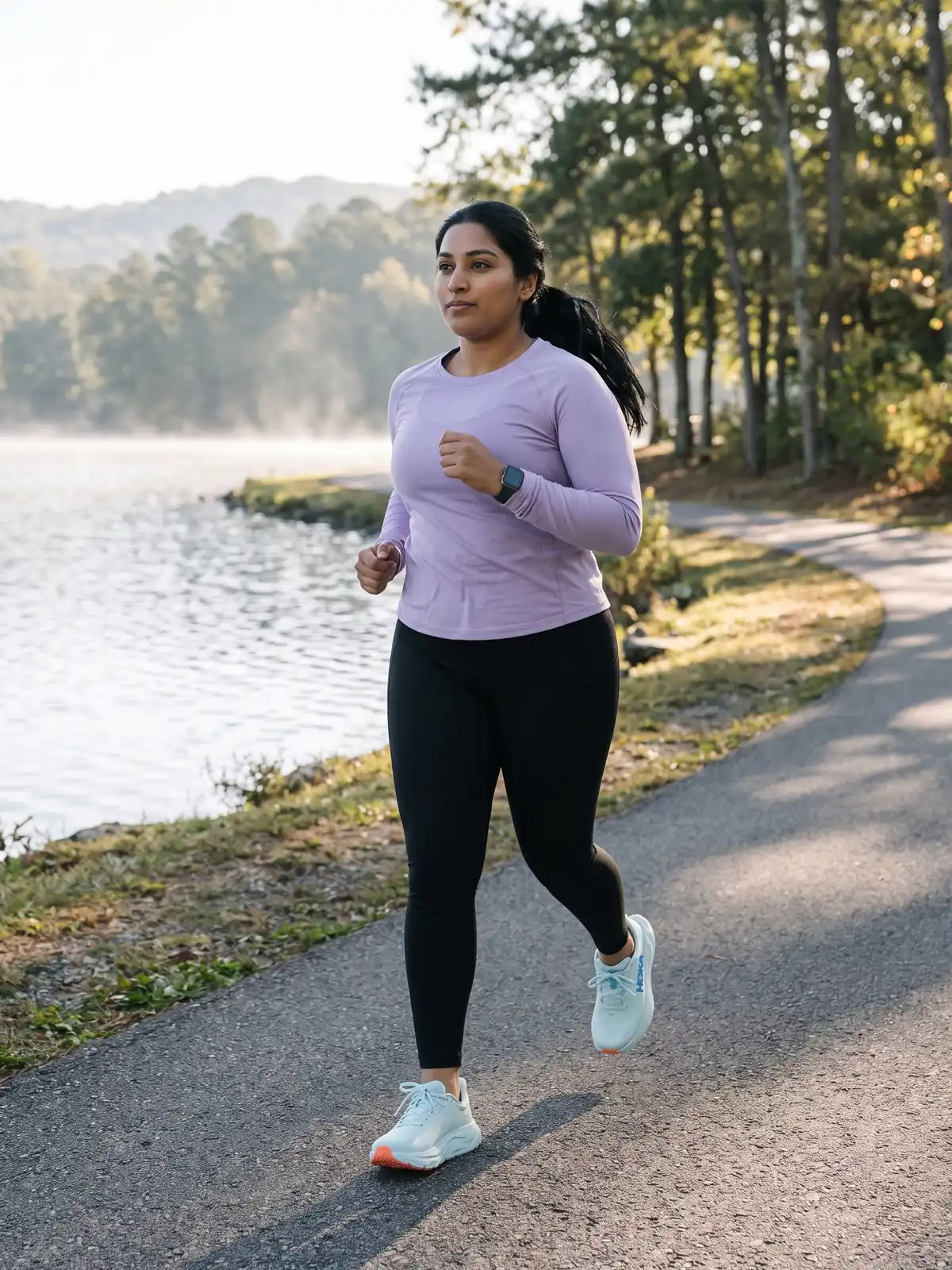
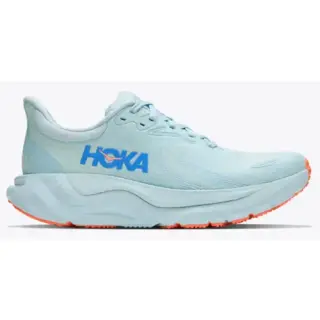 Hoka Arahi 8 Women's Glimmering Blue, Neon Cantaloupe $96.99 Shop at eFootwearaffiliate link
The HOKA Arahi 8 is the pair I would start with. Dr. Priya Parthasarathy, a podiatrist quoted by NBC Select, calls it "Hoka's most supportive sneaker for flat feet", and Dr. Miguel Cunha told Shop TODAY it is "designed to stabilize the foot and limit excessive inward rolling." It is a mild stability shoe built on HOKA's H-Frame, with an 8 mm drop, about 8 oz in a women's size, several widths, and the APMA Seal of Acceptance. $119.99 in glimmering blue. Its weak points, by RunRepeat's count: "Very poor breathability" and "Grip needs to improve".
Flat feet or overpronation?
Cleveland Clinic describes a flat foot as one "with little-to-no arch in the sole", and adds that "Flexible flat feet are the most common type": the arch shows when you sit and disappears when you stand. A rigid flat foot has no arch either way and is worth a doctor's look.
Overpronation is something else: how far your foot rolls inward as you land. Matt Klein, a physical therapist who reviews for Doctors of Running, puts it simply: "'Flat' mostly refers to how high your arch is." Flat feet do tend to pronate more, but a 2015 study found that standing foot posture was "weakly correlated with rearfoot or midfoot kinematics", and Klein warns: "People often assume that everyone with flat feet need stability shoes, but that is not true." Dr. Alicia Canzanese, a podiatrist quoted by NBC Select, reminds readers that "Pronation is a natural, normal movement of the feet."
The wet test, and its limits
The wet test is easy: wet your foot, step on paper, look at the print. A full, wide print usually means a low arch. Runner's World says it "only gives you one clue in the process of finding the right shoe", and research agrees: in 3,968 Army recruits, footprints left "35% of plantar shapes being misclassified compared with measured arch height." A better test is a few minutes of running in the shoe, or a gait check at a running store.
When to see a doctor
Flat feet that have always been flat and do not hurt need nothing. See a podiatrist if your arch has dropped recently, one foot is flatter than the other, or you have pain or swelling on the inside of the ankle. Cleveland Clinic explains that posterior tibial tendon dysfunction is "the leading cause of progressive collapsing foot deformity (PCFD), formerly known as adult-acquired flatfoot", and it is treated with "physical therapy and wearing special orthotics", not just a new pair of shoes.
What the studies say about stability shoes
| Study | Who | What it found |
|---|---|---|
| Malisoux 2016, randomized trial | 372 recreational runners | Motion-control shoes cut injury risk overall (hazard ratio 0.55), and in pronated feet most (0.34, in 94 runners) |
| Ryan 2011, randomized trial | 81 women runners | "the motion control shoe (79) the most" missed training days; the stability shoe the fewest (51) |
| Nielsen 2014, cohort | 927 new runners, all in neutral shoes | Pronated feet were not at higher risk; they had slightly fewer injuries per 1,000 km |
| Knapik 2014, three military trials | 7,203 recruits | Assigning shoes by arch height changed nothing (rate ratio 0.97 for men and women) |
| Cochrane review 2022 | 12 trials | Prescribing shoes by foot posture "probably makes little or no difference" (moderate certainty) |
My reading: the evidence does not support buying a shoe because a footprint looks flat. It does leave room for support shoes in runners whose feet roll in a lot: the Malisoux trial is the best one we have, and it favored them. A mild stability shoe is a reasonable start; a full motion-control shoe is worth it only if a mild one is not enough, since the Ryan trial found the heaviest support hurt the most.
Where the experts disagree
| Question | One side | The other side |
|---|---|---|
| Stability shoe first? | "Stability shoes are specifically designed to correct overpronation associated with flat arches" (Dr. Anne Sharkey, podiatrist, NBC Select) | "I would never suggest to a patient to go for a stability shoe straight away" (Alex Townsend, sports podiatrist, Coach) |
| Motion control or mild support? | Motion-control shoes cut injury risk in pronated feet (Malisoux 2016) | Prescribing by foot type is "overly simplistic and potentially injurious" (Ryan 2011); "Adding stability and stiffness to an already flat foot can be problematic" (Matt Klein, DPT) |
| Insoles or exercises? | "I often recommend insoles to my patients because they support the arch." (Dr. Miguel Cunha, podiatrist, Shop TODAY) | "Exercise alone or combined with foot orthoses showed a better effect on adult flatfoot than only wearing foot orthoses." (a 2021 review of 10 trials) |
| Zero drop? | Altra's Torin ST pairs zero drop with GuideRail support for overpronators | A podiatrist lists zero drop as "Bad for: ... severely flat feet" (Dr. Tom Biernacki, DPM) |
| More cushion? | "those with flat feet will tend to want more cushioning to assist with shock absorption" (Dr. Elizabeth Daughtry, podiatrist, Prevention) | A maximalist neutral shoe is "too cushioned to control overpronation" (Balance Foot & Ankle) |
| Do flat feet matter for running? | Pronated feet in standard shoes had higher injury risk (Malisoux 2016) | "Realistically, flatter foot postures don't affect running a significant amount, despite what people say." (Townsend) |
What the experts agree on is the build: Sharkey describes good stability shoes as having "dense, firm foam on the inner side of the midfoot/arch area," "a firm heel counter," and "a wide base". RunRepeat adds: "Wide platform is a must because it is obviously more stable."
Insoles and foot exercises
Insoles can help, but they do not rebuild an arch. A 2014 review found "No high level evidence supported the use of foot orthoses for flexible pes planus", and a 2021 review of 10 trials concluded that "Both exercise and foot orthoses can reduce pain but not realign foot posture." APMA says over-the-counter inserts "can be very helpful" for flat arches, but "can't correct biomechanical foot problems". Dr. Parthasarathy's rule is the useful one: "Orthotics can add arch support to shoes, but they can't make a bad shoe a good one."
Strength is the other half. In a 2020 trial of 118 recreational runners, those who skipped a foot-strengthening program "were 2.42 times (95% CI, 1.98-3.62) more likely to experience" a running injury within a year. A physical therapist can show you the exercises; Cleveland Clinic suggests one can "give you exercises to strengthen muscles in your legs and feet."
HOKA: the Gaviota, for more support
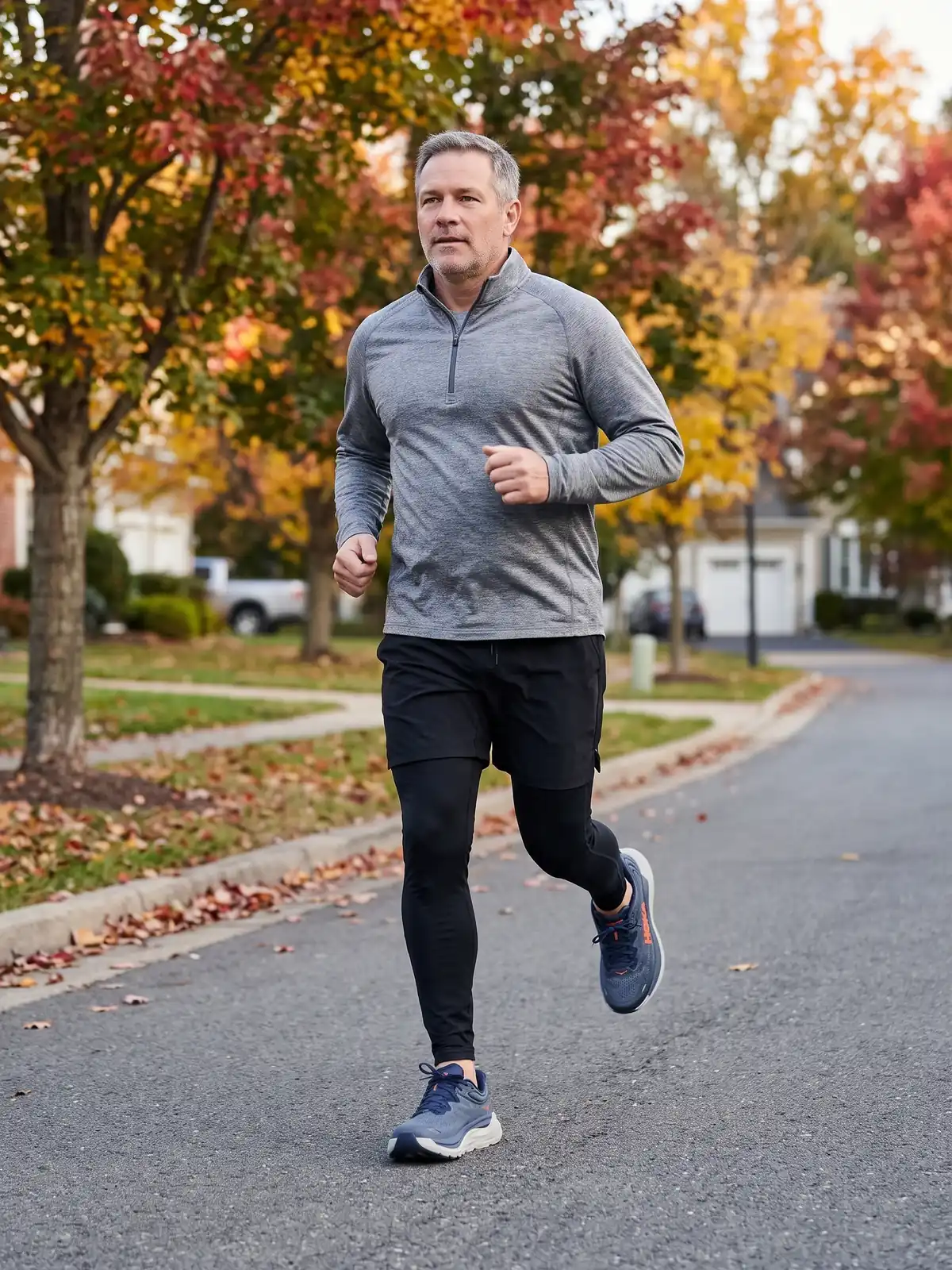
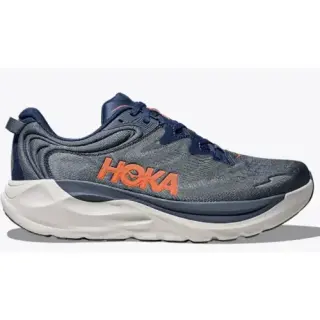 Hoka Gaviota 6 Men's Midnight Blue, Faded Navy $179.99 Shop at eFootwearaffiliate link
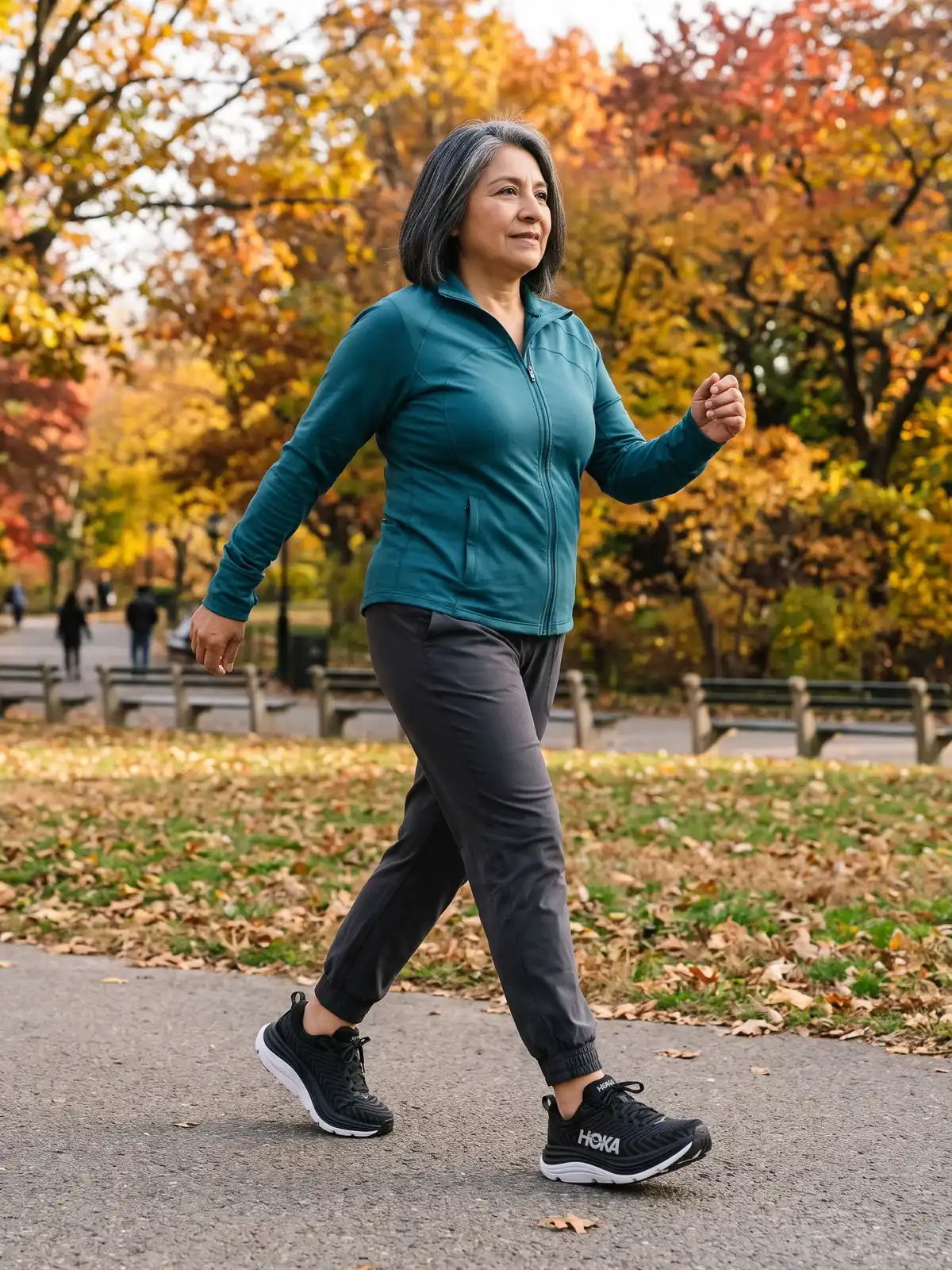
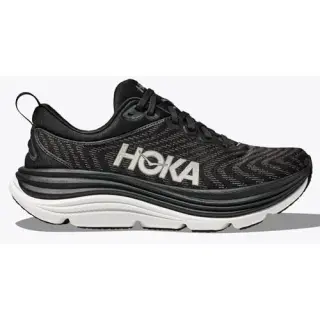 Hoka Gaviota 5 Women's Black, White $121 Shop at eFootwearaffiliate link
The HOKA Gaviota 6 ($179.99, men's) is HOKA's wide-fitting stability shoe, with a 6 mm drop; Dr. Parthasarathy recommends it for "a little more stability control." Doctors of Running notes that "Unlike most Hoka shoes, the Gaviota 6 fits wide." RunRepeat rates its shock absorption "Average" and calls the foam "Outdated CMEVA", and it does not carry the APMA seal. Our guide to the best shoes for nurses looks at the women's version for long hospital shifts.
The Gaviota 5 ($121, women's) is the older version, cheaper and on APMA's list. RunRepeat calls it "Remarkably stable" and named it a "Top pick in best running shoes for flat feet (2023)", thanks to "its incredibly wide design." Two cautions: RunRepeat measured its real drop at 2.2 mm, much lower than the 6 mm stated, and Doctors of Running found "the higher stack began feeling a bit unstable for the height" at faster paces. It is a better walking and easy-run shoe than a fast one.
ASICS: mild support at a lower price
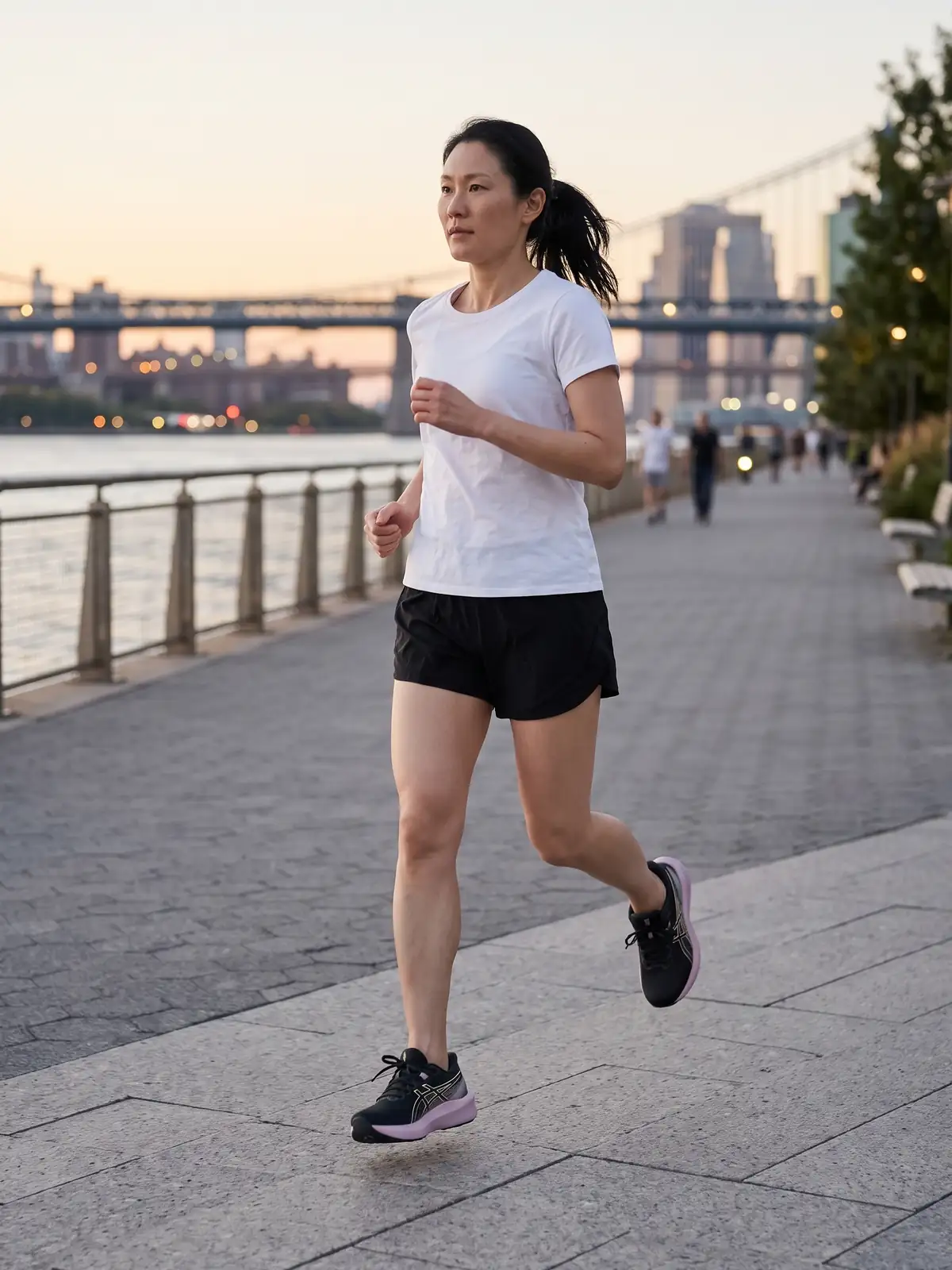
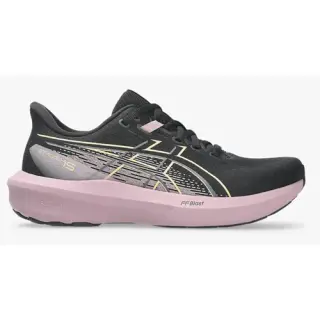 Asics GT-1000 15 Women's Running Shoe Black, Taro Purple $79.99 Shop at eFootwearaffiliate link
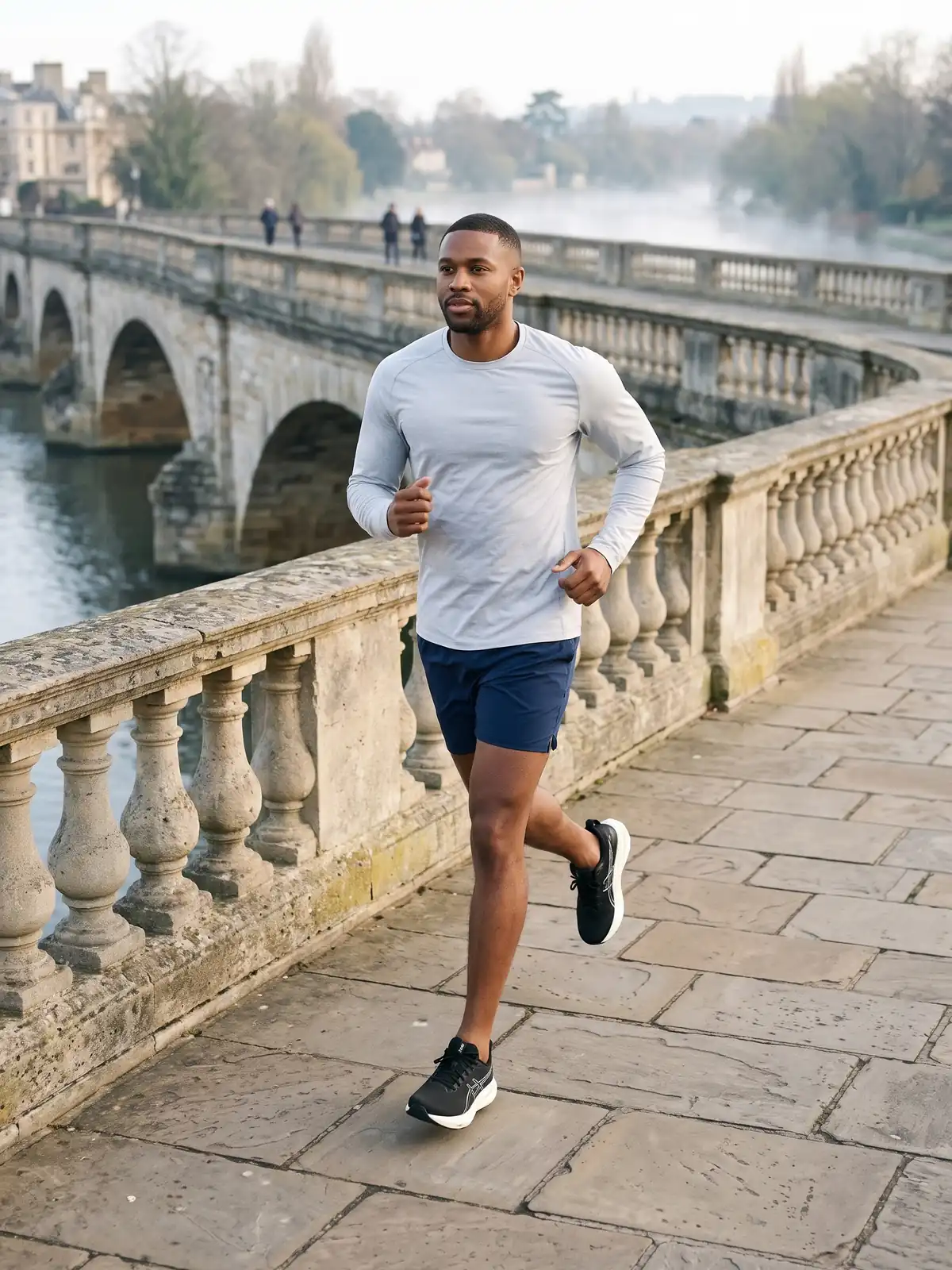
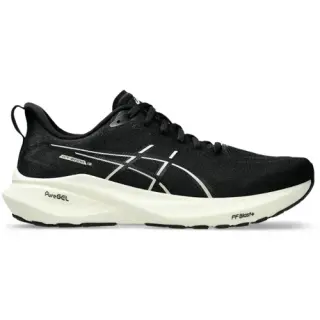 Asics Men's ASICS GT-2000 13 Men's Running Shoe 2E Wide Black, White $79.99 Shop at eFootwearaffiliate link
The ASICS GT-1000 15 ($79.99, women's) is the budget stability pick, "providing enough guidance for those with mild to moderate overpronation" by RunRepeat's measure, with "Excellent value" and "Incredible outsole durability." RTINGS found it "impressively stable", but also "The ride feels harsh underfoot", so it suits shorter runs and lighter runners more than long ones.
The ASICS GT-2000 13 ($79.99, men's 2E wide) is the classic mild stability trainer, "for someone that likes a neutral feel, but needs just a little more guidance" according to Doctors of Running. ASICS has released newer versions, so the 13 is now discounted. RunRepeat warns its "Upper lacks vertical room", and customers say even the wide can run "somewhat narrow"; try it on if your foot is high or very wide. Our guide to wide running shoes explains what 2E and 4E mean.
Mizuno and Altra: high drop, zero drop
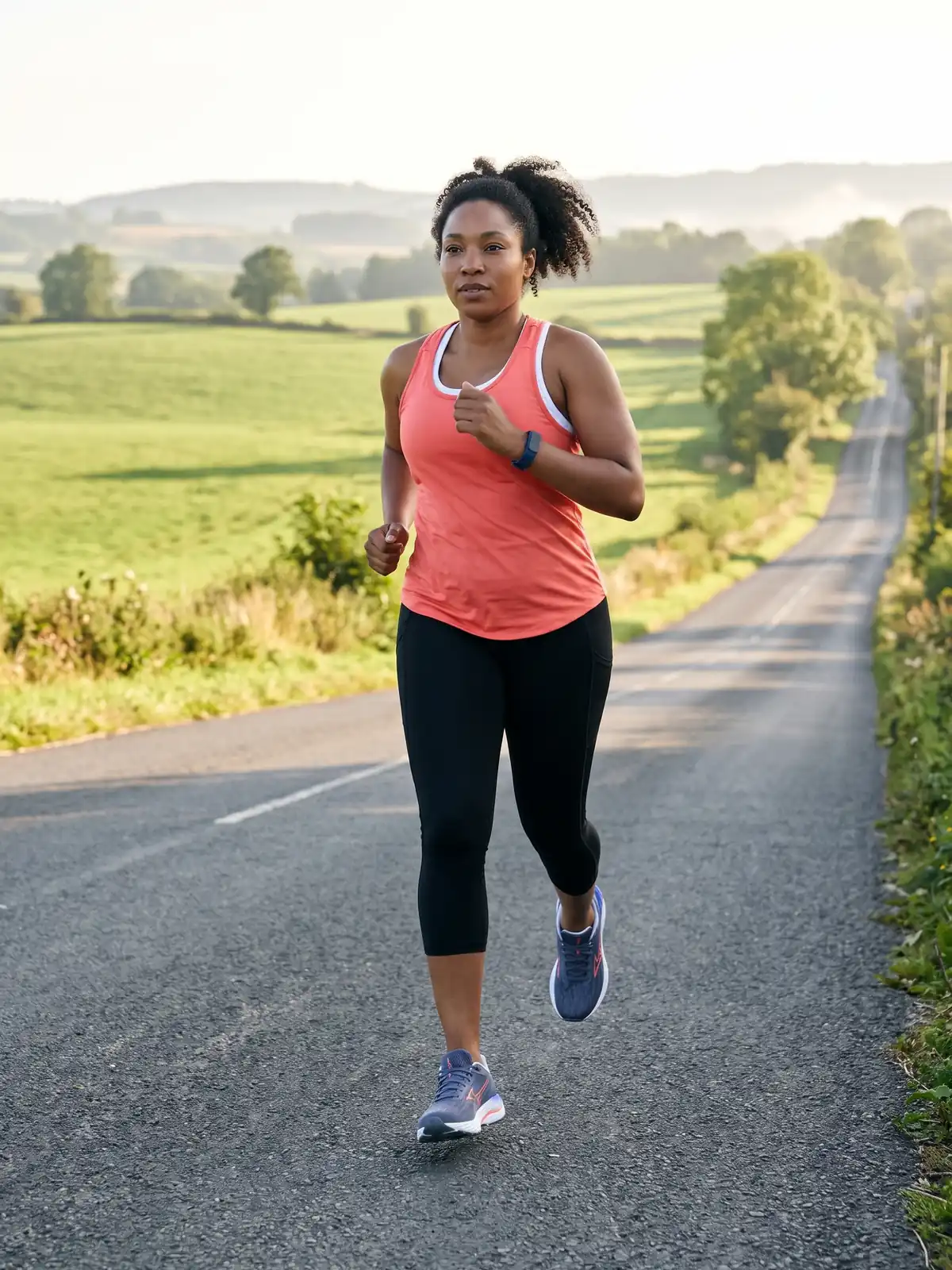
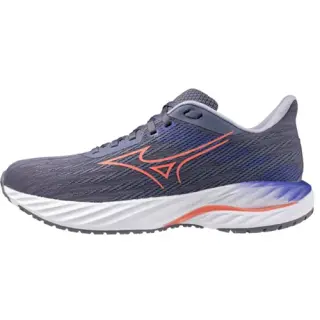 Mizuno Wave Inspire 21 Women's Wide D Running Blue Granite-Striking Coral $89.99 Shop at eFootwearaffiliate link

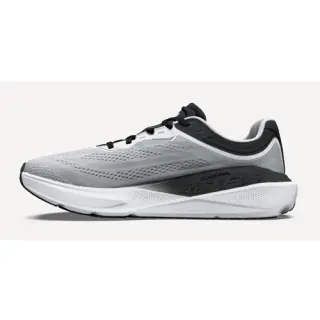 Altra Torin ST Men's Wide EE Support, Daily Runs, and Walking Ultimate Grey, Jet Black $159.99 Shop at eFootwearaffiliate link
The Mizuno Wave Inspire 21 ($89.99, women's Wide D) is a stability shoe with a high 12 mm drop. Doctors of Running finds "The wider forefoot is really comfortable", and Fleet Feet says flat-footed runners "who crave support can find it" in the Wave Inspire line. RunRepeat warns that the "Sky-high drop" is "not for everyone"; heel strikers tend to like it.
The Altra Torin ST ($159.99, men's Wide EE) is the opposite: zero drop, with mild support from GuideRails along the inside of the foot. A running store explains that "the ST in Torin ST stands for stability", and that it replaces Altra's Paradigm. It is new, and I found no lab test or clinician review of it, so treat it as the pick for runners already used to zero drop. If you are not, the cautions in our standing guide apply: switch gradually, and avoid it if you have Achilles trouble.
A stable neutral option

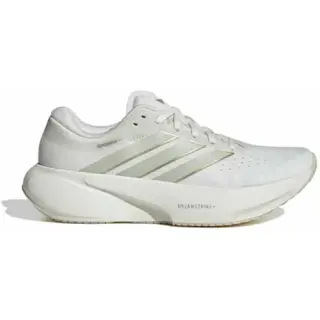 Adidas Women's Supernova Rise 3 Running Shoe White Tint, Halo Green, Thermal Chrome $99.99 Shop at eFootwearaffiliate link
The adidas Supernova Rise 3 ($99.99) is not a stability shoe, and that is the point. Doctors of Running's Bach Pham writes that "Some flat feet runners may have more stable feet and be able to run in neutral footwear", and Klein calls the Rise 3 "stable neutral". If a stability shoe feels stiff or pushes on your arch, this is the kind of shoe to try next. Its known weak points are a low toe box and "a little slippage" on wet roads.
The eight pairs side by side
| Shoe | Support | Drop | APMA seal | Price |
|---|---|---|---|---|
| HOKA Arahi 8 (women's) | Mild stability | 8 mm | Yes | $119.99 |
| HOKA Gaviota 6 (men's) | Stability, wide fit | 6 mm | Not listed | $179.99 |
| HOKA Gaviota 5 (women's) | Stability, wide fit | 6 mm stated, 2.2 mm in the lab | Yes | $121 |
| ASICS GT-1000 15 (women's) | Mild stability, budget | 8 mm | Not listed | $79.99 |
| ASICS GT-2000 13 (men's 2E) | Mild stability | 8 mm | Not listed | $79.99 |
| Mizuno Wave Inspire 21 (women's Wide D) | Stability | 12 mm | Not listed | $89.99 |
| Altra Torin ST (men's Wide EE) | Mild stability, zero drop | 0 mm | Not listed | $159.99 |
| adidas Supernova Rise 3 (women's) | Stable neutral | 8 mm | Men's version listed | $99.99 |
Drops are the brand's figures except where marked. APMA seals are as listed on November 6, 2026. Prices are eFootwear's on the day we checked.
What I wouldn't do
Buy a motion-control shoe because of a footprint. The footprint is wrong a third of the time, and the heaviest support caused the most pain in the one trial that compared them.
Expect an insole to fix your arch. It can ease pain; exercises do more over time.
Switch straight to zero drop. If you have flat feet and have never run in zero drop, build up slowly, or start with a low-drop shoe instead.
Questions people ask
Do I need stability shoes if I have flat feet?
Not necessarily. Many podiatrists suggest a stability shoe as the starting point, but trials found that choosing shoes by foot type does not prevent injuries on its own. If a neutral shoe feels stable and comfortable, it is fine.
Are HOKAs good for flat feet?
Some are. The Arahi 8 and the Gaviota are HOKA's stability shoes, and podiatrists recommend both for flat feet. HOKA's neutral shoes, like the Clifton and the Bondi, have less support.
What is the difference between flat feet and overpronation?
Flat feet describe the shape of your arch when you stand. Overpronation describes how far your foot rolls inward when you run. Flat feet often pronate more, but not always.
Should I wear orthotics for flat feet?
Try a supportive shoe first. If your arch still aches, an over-the-counter insole may help; see a podiatrist if pain lasts. Exercises to strengthen your feet help more over time than insoles alone.
Can flat feet get better with exercise?
Exercises can reduce pain and may improve arch height after several weeks, though studies disagree on the arch. In one trial, runners who did foot-strengthening exercises had fewer injuries.
How do I know if my flat feet need a doctor?
See a podiatrist if your arch has recently dropped, one foot is flatter than the other, the inside of your ankle hurts or swells, or you cannot rise onto your toes on one foot.
Sources
- Prevalence of pes planus among children and adults, a systematic review, Journal of Foot and Ankle Surgery (2023)
- Flat feet (pes planus), Cleveland Clinic
- Posterior tibial tendon dysfunction, Cleveland Clinic
- Overpronation, Cleveland Clinic
- Flat feet, NHS
- Flatfoot, Hospital for Special Surgery
- Can people with flat feet run in super shoes? Doctors of Running
- Predicting dynamic foot function from static foot posture, JOSPT (2015)
- Know your foot arch type before buying shoes, NBC Select
- Take the wet test, Runner's World
- Validity of plantar surface assessment as an estimate of arch height, Medicine & Science in Sports & Exercise (2010)
- Injury risk in runners using standard or motion control shoes, a randomised trial, British Journal of Sports Medicine (2016)
- Three levels of footwear stability and pain in women runners, a randomised trial, British Journal of Sports Medicine (2011)
- Foot pronation and injury risk in novice runners, British Journal of Sports Medicine (2014)
- Prescribing running shoes by foot arch height, a summary of military investigations, JOSPT (2014)
- Running shoes for preventing lower limb running injuries in adults, Cochrane review (2022)
- Is your prescription of distance running shoes evidence-based? British Journal of Sports Medicine (2009)
- Foot orthoses for adults with flexible pes planus, a systematic review (2014)
- Foot orthoses and exercises for adult flatfoot, a network meta-analysis (2021)
- Foot core training to prevent running-related injuries, a randomized trial, American Journal of Sports Medicine (2020)
- Prescription custom orthotics and shoe inserts, APMA
- The best running shoes with arch support, NBC Select
- Do you need stability sneakers? Shop TODAY
- Best walking shoes for flat feet, Prevention
- Do you need special running shoes for flat feet? Coach
- Best running shoes for flat feet, RunRepeat
- Best running shoes for flat feet, Fleet Feet
- Best running shoes for flat feet, Balance Foot & Ankle
- Altra zero drop, a podiatrist's review, Balance Foot & Ankle
- My favorite stability shoes for flat feet, Doctors of Running
- HOKA Arahi 8 review, RunRepeat
- HOKA Gaviota 6 review, Doctors of Running
- HOKA Gaviota 6 review, RunRepeat
- HOKA Gaviota 5 review, RunRepeat
- HOKA Gaviota 5 review, Doctors of Running
- ASICS GT-1000 15 review, RunRepeat
- ASICS GT-1000 15 review, RTINGS
- ASICS GT-2000 13 review, Doctors of Running
- ASICS GT-2000 13 review, RunRepeat
- ASICS GT-2000 13 men's reviews, Zappos
- Mizuno Wave Inspire 21 review, Doctors of Running
- Mizuno Wave Inspire 21 review, RunRepeat
- Altra Torin ST, Running Lab
- adidas Supernova Rise 3 review, Doctors of Running
- APMA Seal of Acceptance database
The images in this guide are AI-generated: real garments from our catalogue, shown on our own recurring models and made from the shops' photos of each piece. They are not photographs of real people. Prices are the ones the shops showed on November 21, 2026 and can change. Wear It On Me earns a commission when you buy a garment through an affiliate link in a guide (the links are marked, and it costs you nothing extra); a commission never decides what we recommend. How we make these guides.