Family photo outfits: how to coordinate without matching
Start from one outfit, pick 2 to 4 colors, skip neon, logos and all-black. Family photo outfits for fall, holiday cards, the beach, the studio and snow.
Wear It On Me earns a commission on garments bought through affiliate links in our guides. That never decides what we recommend. Details.
The short answer: choose one outfit first, take two to four colors from it, and dress everyone else in those colors, in different pieces, with no logos and nothing neon. That is how photographers, print labs and family portrait guides describe it, almost without exception. Shutterfly puts the whole idea in two sentences: "Not every family member needs to be in the same color. They just need to be in the same palette." The rest of this guide is the detail: palettes by season and place, what each person wears, what photographs badly, and the few points where the experts really disagree. Three looks, built from pieces you can buy, show the method on a couple; add the children in the same colors.
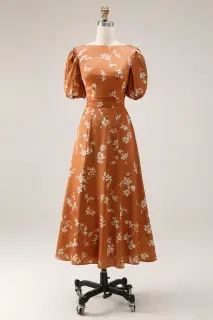 Zapaka Orange Floral Printed A Line Midi Wedding Guest Dress with Sleeves $109 Shop at Zapakaaffiliate link
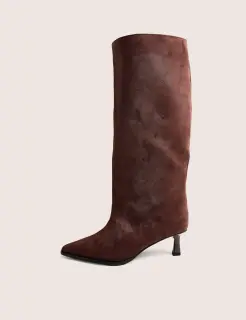 Public Desire UK Lola Brown Micro Kitten Heel Knee High Boots £47.99 Shop at Public Desireaffiliate link
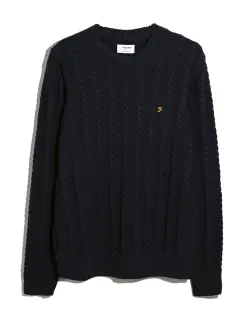 Farah Knight Cable Knit Sweater In True Navy £56 Shop at Farahaffiliate link
- Original Penguin Straight Fit Chinos In Travertine £56 no longer sold
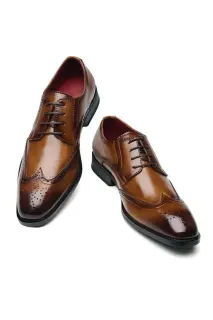 Zapaka Brown Lace-Up Leather Men's Shoes $89 Shop at Zapakaaffiliate link
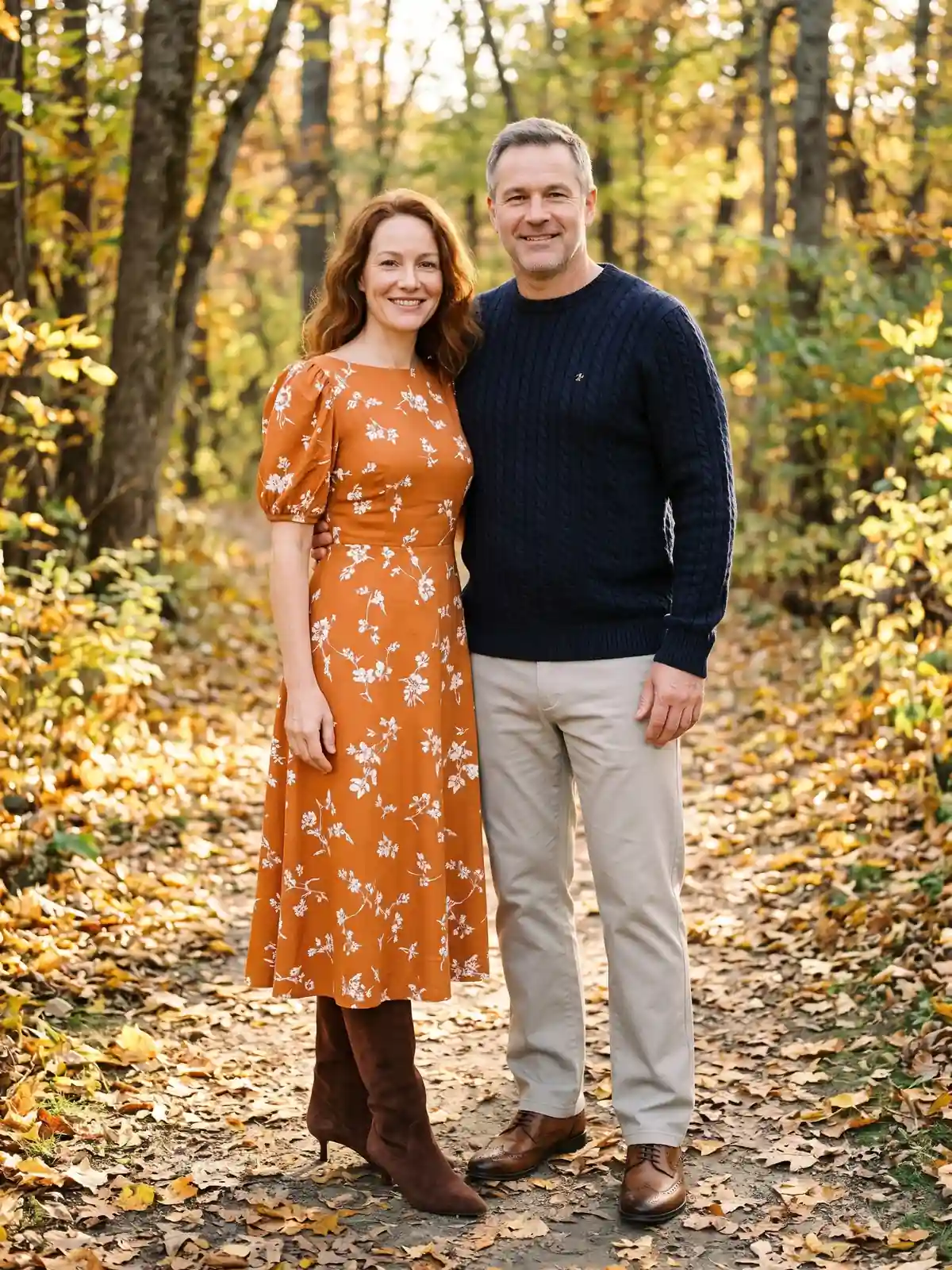
The first picture is the classic fall session. She wears Zapaka's orange floral A-line midi with puff sleeves (US$109) and Public Desire's Lola knee-high boots in brown suede (£48), on a US size 8. He wears Farah's Knight cable-knit sweater in True Navy (£80), Original Penguin's straight chinos in Travertine, a pale stone (£80), and Zapaka's brown lace-up brogues (US$89), on a 44R. The printed dress is the anchor. Its orange and cream go into the chinos and the leaves, and the navy sweater is the one dark note, so neither outfit copies the other.
The method: one anchor outfit, then the palette
Shutterfly, the photo printing company, gives a four-step method that most photographers repeat in some form:
- "Pick one anchor piece." Usually a printed dress, a patterned scarf or a flannel shirt.
- "Pull 3 to 4 colors from that piece." Its example: a rust floral dress gives "rust, cream, olive, and warm brown."
- Give each person a piece in the palette. "No two people need to be in the exact same color, but every outfit should use at least one shade from the palette."
- "Lay all outfits on the bed the night before." Clashes are easier to see on a bed than in the photos.
Start with the hardest person to dress. Laura Walsh, a newborn and family photographer in Utah County, does it for her own family: "Figure out one person's outfit that you really love, and then build everyone else's clothes from that first one." A Seattle-area studio, Jaimie Birtel Photography, gives the reason it is usually the mother: start "with the person who has the most specific fashion sense or who is the most difficult to find the right outfit for. In most families, that's Mom." Kelly Tareski, a photographer near Spokane, adds that it does not have to be: "The starting piece can belong to anyone."
How many colors. The sources give a narrow range. Pasha Belman, a beach photographer in Myrtle Beach, uses "One main color, one neutral and one small accent", each repeated "on at least two people". Olive Juice Studios in Rochester, Minnesota, says "Aim for about three colors. That's usually the sweet spot." Shutterfly goes to four. So two to four, with at least one neutral.
The color wheel, in two lines. Colors next to each other on the wheel look calm together; colors opposite each other give contrast. Adobe's design blog: analogous colors "create calm, cohesive visuals", while complementary colors "introduce contrast and visual energy." Heart Sung Photography in Columbus, Ohio, translates that for families: neighbors such as "red/orange/yellow" or "yellow/green/blue", opposites such as "oranges + blues", or, if you prefer quiet, "ivories, tans, browns, mauve, sage". The fall look above is the orange-and-blue pair.
Keep one level of dress. The Professional Photographers of America, on its consumer site, asks families to "keep your clothing selection within the same style (dressy, casual, sporty, etc.)." A velvet dress next to a hoodie looks like two different photos. For a dressed-up session, the level most families aim for is dressy casual: a day dress or a midi, a collared shirt or a knit, leather shoes. If a family wedding is on the calendar too, our wedding guest outfit ideas set the level by the dress code on the invitation.
Family photo color schemes by season and place
Shutterfly's palette table is the most complete we found. We added the setting each palette suits, as Shutterfly gives it.
| Palette | Colors | Season | Best setting |
|---|---|---|---|
| Earth tones | Rust, camel, olive, warm brown, cream | Fall | Parks, woods, golden-hour fields |
| Soft neutrals | Oatmeal, taupe, blush, slate, white | Year-round | Studio, beaches, light interiors |
| Dusty pastels | Lavender, sage, soft peach, sky blue, ivory | Spring, early summer | Gardens, flower fields |
| Warm jewel tones | Burgundy, mustard, deep teal, terracotta, forest green | Fall, winter | Leaves, urban brick, cozy interiors |
| Denim and cream | Medium blue denim, off-white, chambray, light khaki | Spring, summer | Casual outdoor and home sessions |
| Holiday | Cream cable-knit, charcoal, deep green, plaid flannel, cranberry | Winter | Fireplace, snow, a decorated home |
Two more rules follow the setting.
Don't disappear into the background. Reviewed, the USA Today network's product site, gives the outdoor rule: "try to complement the surrounding area and ensure there's enough contrast. Avoid colors like green if you'll be in a park, for instance."
Mind the light. Pasha Belman explains how the hour changes the palette at the beach, and it holds anywhere outdoors: "Sunrise light is cool and soft, so blues, white and gray look especially clean. Sunset light is warm and golden, which makes tan, blush, rust and olive glow."
If you are building outfits from what you own, the palette can come from the wardrobe: our guide to a capsule wardrobe works on the same idea of a few colors that all go together.
Fall family photo outfits
Fall is the busiest season. Crabapple Photography, on Boston's North Shore, calls it "the most popular season for family photos," for the leaves and for the weather: children who are not hot are happier, and "if your children (and you!) are comfortable, it will show in the photos." Flytographer, a vacation photography network, says "September or October are the best months to plan your fall family photos."
What to wear. Earth tones (rust, camel, olive, brown, cream) or jewel tones (burgundy, deep green, navy). Olive Juice: "A cabin session in October practically begs for rust and olive." Reviewed adds the texture: warmer tones "and accessories like boots, scarves, and sweaters." Flytographer: "Sweaters, knits, plaids, and layers."
Flannel, once. A plaid shirt is the classic fall piece for men, and Olive Juice calls it "a great Fall choice for men". Nations Photo Lab, a print lab, gives the limit: put "just the kids or just one family member in a flannel shirt and keep everyone else neutral."
Boots and tights. For women and girls, a midi or a knit dress with knee boots or ankle boots and tights is the standard fall outfit. Our guides to ankle boots and tights with dresses show the combinations, and the Thanksgiving outfits guide has more fall dresses in the same colors.
Holiday card photos

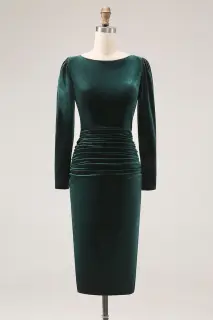 Zapaka Dark Green Sheath Velvet Ruched Midi Work Dress with Long Sleeve $129 Shop at Zapakaaffiliate link
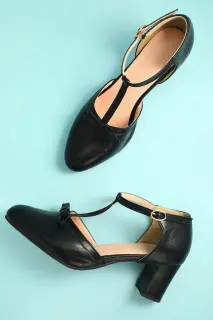 Zapaka Leather Black Chunky Heels $48 Shop at Zapakaaffiliate link
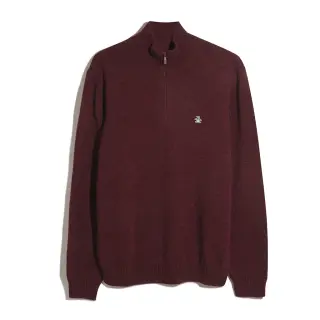 Original Penguin Lambswool Quarter Zip Sweater In Cabernet £59.50 Shop at Original Penguinaffiliate link
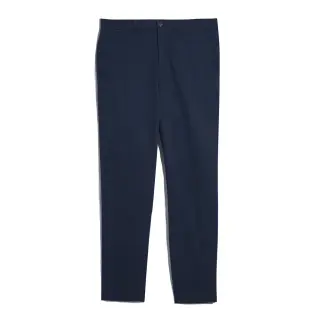 Original Penguin Slim Fit Chinos In Dark Sapphire £49 Shop at Original Penguinaffiliate link
- Zapaka Brown Lace-Up Leather Men's Shoes $89 Shop at Zapakaaffiliate link
This is the holiday card version, shot at home. She wears Zapaka's dark green velvet sheath midi with long sleeves (US$129) and its black chunky heels with a T-strap (US$48). He wears Original Penguin's lambswool quarter-zip in Cabernet, a deep burgundy (£85), its slim chinos in Dark Sapphire, a dark navy (£70), and the same brown brogues. Green and burgundy are a complementary pair, and both are deep enough to read as rich in print.
Three palettes. Shutterfly names the three it sees most:
- The classic red, green and gold. It "works best when red is used as an accent (one person's sweater or scarf) rather than the dominant color for everyone." It warns that a bright red on everyone "tends to flatten in print."
- Winter neutral: cream, charcoal and navy, "One of the most requested modern" card looks. "Cream cable-knit sweaters, charcoal pants or skirts, and a navy layer or accessory is a reliable formula."
- Modern minimal: white, sage and champagne, for a card that looks "stylish rather than seasonal".
When to shoot. Shutterfly's calendar is precise: shoot "in September or early October" for a relaxed schedule, "by late October at the latest" to have cards before Thanksgiving weekend, "when most holiday cards go out", and "Order cards by November 1". Crabapple suggests "September, October, or early November". If you are reading this in mid-November, an indoor session at home or in a studio is still possible; the fireplace look above needs no foliage.
Do people still send photo cards? Yes, though fewer send the classic portrait. VistaPrint commissioned a survey through Pollfish on September 11, 2026: 2,014 American adults were screened, and the 1,000 who planned to send physical cards answered the full survey, 250 from each generation. Its findings:
- 49.7% of the 2,014 adults plan to send physical holiday cards this year, against 50.1% in its 2024 survey. Another 20.9% will send digital greetings only, and 29.4% will skip cards.
- 67% of senders prefer cards with photos (69% in 2024): 41% a single photo, 26% several.
- Among senders who put photos on their cards, the traditional family portrait fell from 68% in 2024 to 56% in 2026, and travel photos rose from 20% to 28%. Everyday family moments were at 38% and pets at 33%.
- 69% of senders who own a pet include it on their cards, and 82% of Millennials do.
An older poll by Ipsos for Shutterfly, in September 2021, found 44% of Americans planning to send holiday cards, up from 34% in October 2020. The two surveys ask different questions, so read them as context, not a trend line.
The card itself. VistaPrint's tip for a card that will also be posted online: "position faces away from the edges to allow for cropping." Flytographer suggests getting both "a standout portrait where everyone is looking at the camera" and a few candid shots, and choosing a card design in the colors you wore.
Pets. If the dog is in the card, Reviewed suggests "a coordinating bandana for your pup". Snapfish's advice is practical: let pets "get in a good session of play beforehand" so they sit still.
Beach family photo outfits
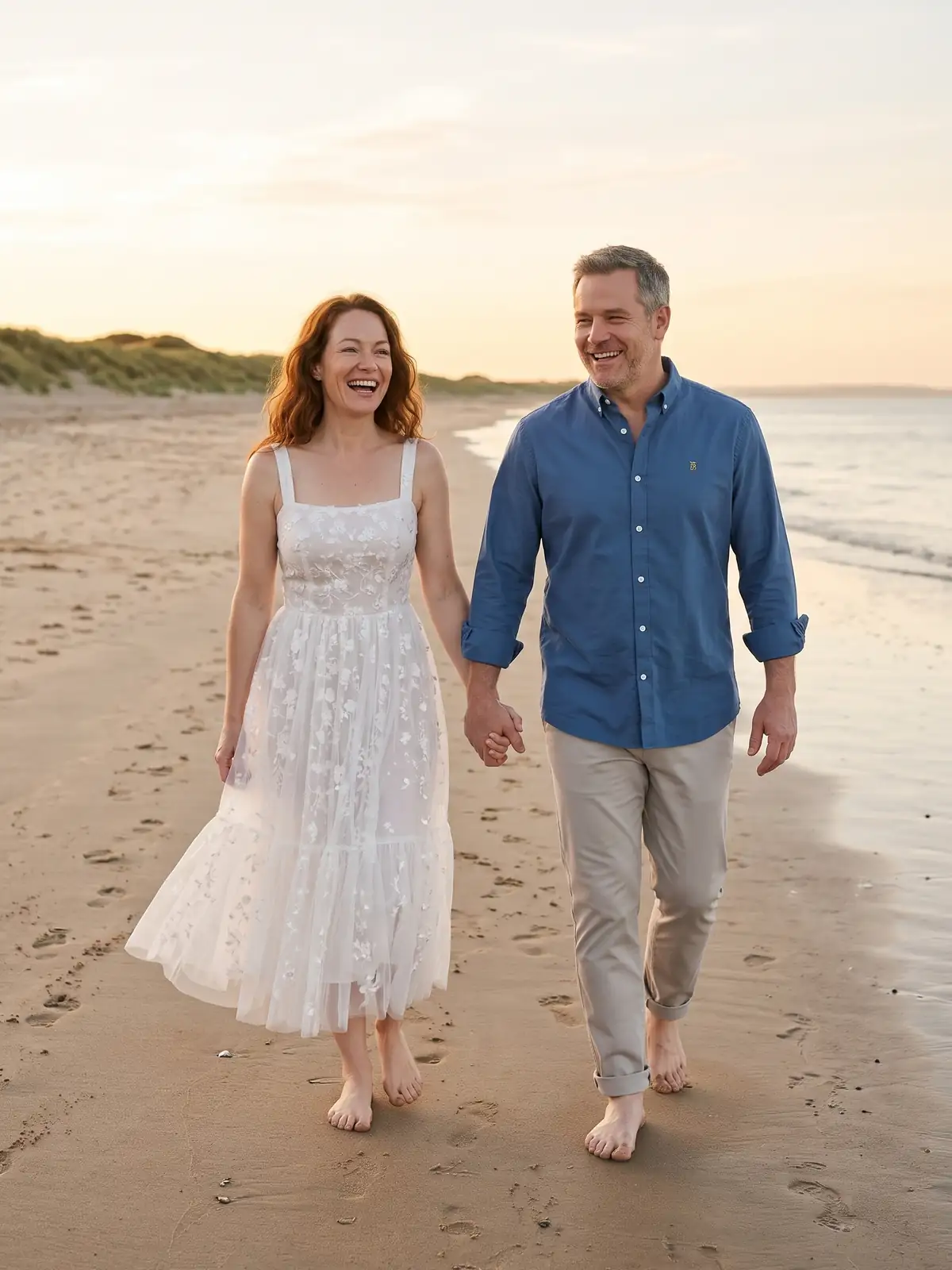
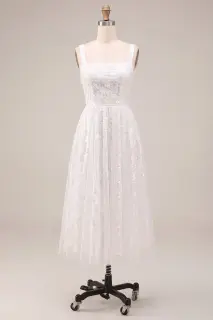 Zapaka A-Line White Square Neck Floral Midi Engagement Dress $119 Shop at Zapakaaffiliate link
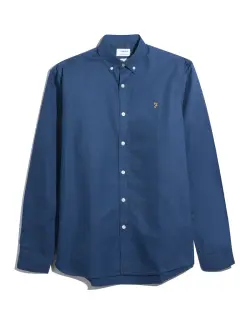 Farah Brewer Slim Fit Oxford Shirt In Aegean Blue £26 Shop at Farahaffiliate link
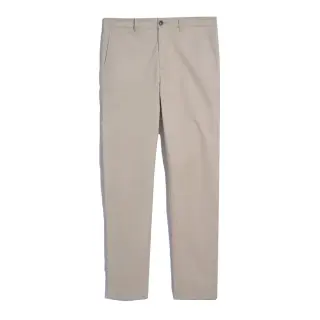 Original Penguin Slim Fit Chinos In Travertine £49 Shop at Original Penguinaffiliate link
The beach version: Zapaka's white floral A-line midi with a square neck (US$119), with Farah's Brewer slim oxford shirt in Aegean Blue (£26), sleeves rolled, and Original Penguin's slim chinos in Travertine (£70), rolled once at the ankle. Both barefoot. White, sand and one blue: the palette Crabapple recommends for the shore, where "Shades of white and cream photograph beautifully" and "beiges and tans blend perfectly with the sandy shoreline."
Pasha Belman's five rules for the beach are the clearest we found:
- "Start with mom. Choose her dress first, then pull the rest of the family colors from it."
- Two or three colors, each worn by at least two people.
- "Linen, cotton and gauze stay cool and move in the ocean breeze."
- "No logos or big prints."
- "Go barefoot. Bare feet look best on the sand, so skip shoes for everyone."
Who wears what. Women and girls: long, flowing dresses in a length you can walk in on sand. Men and boys: "Linen or cotton button-downs with the sleeves rolled, paired with chino shorts or linen pants". Babies: rompers in gauze or cotton, no hats that hide faces, and a spare outfit, "because babies and toddlers usually end up in the water."
Wind, sun and sand. Reviewed's practical list: flowing skirts "catch the wind for some amazing shots" but are better left to adults; pick colors "that won't show sand easily" for small children; "Avoid anything reflective"; and bring layers and sun protection. Crabapple adds the New England reason for layers: the forecast said "75 and sunny" and the session was "66 and breezy". A denim jacket or a cardigan over a sundress solves it.
Winter, snow and the city
Jewel tones against snow. Jaimie Birtel's winter guide: jewel tones such as "emerald green, ruby red, sapphire blue, and amethyst purple" look "phenomenal against a winter background". Start with one or two core colors and add neutrals.
One bright accent. Flytographer: "A red scarf, bright mittens, or colorful winter boots can become striking focal points in photos dominated by white snow and gray skies." It also notes that blues and muted grays suit city backgrounds.
The coat is in the picture. Crabapple's winter guide is honest about cold sessions: there is often nowhere to warm up, "So it's better to dress extra warm." Choose coats as part of the palette: a trench, a peacoat, a puffer, and "For the dad who hates jackets: a nice puffer vest". Hats, gloves and scarves for everyone can be the matching element. On snow, slush or mud, "A pair of boots is more practical than a cute heel." For mothers, "Sweater dresses are a great option", with thick tights and boots.
In a studio or at home
Studio. Reviewed points out that in a studio you control light and backdrop, so the goal is "to avoid blending in with each other." A simple way to do it: lace one color through every outfit and pair it with black or white basics you already own. Laura Walsh, who shoots in a studio, suggests "neutrals, earth tones, or even pastel colors" and texture: "a chunky knitted sweater, eyelet, tulle, denim, or a shirt with a collar".
At home. Heart Sung Photography reads the room first: if your home "already has a lot of color and decorations", wear simple neutrals; if it is neutral, "you can use your outfits to sprinkle in pops of color." The couch, the throws and the art can give the palette. The Professional Photographers of America suggests a test that works for any session: lay everyone's clothes out "in the room where your portrait will be displayed" to see them against the walls they will hang on.
What each person wears
Mom. She usually chooses first and has the most to choose from. Laura Walsh asks for clothes that move, and for a check that you can sit and lift a child: "Make sure you can move your arms, sit easily… and breathe!" Olive Juice prefers collars and sleeves, and the Professional Photographers of America says "Long-sleeves are a good call for most portraits," because they keep the eye on faces.
Dad. "Keep it Simple," writes Laura Walsh: "a Henley or a button-up collared shirt paired with crisp jeans or chinos." A sweater or a quarter-zip over a collared shirt is the cold-weather version.
Children. Comfort decides the session. Laura Walsh: "If a sweater is itchy or pants are too tight, things will go downhill fast." Try new clothes at home first; Heart Sung suggests letting children wear a new outfit "once or twice" before the day. For choice without chaos, give younger children two approved outfits to pick from, and older children the palette or one color. Under dresses, cover diapers: Lisa Phelan, a photographer near Pasadena, notes she will have you "turning them upside down." Avoid straps and bows that keep slipping, and bring a spare outfit for babies.
Teens. Let them choose. Pasha Belman: "Let teens pick their own piece within the palette so they feel like themselves."
Grandparents. The same palette, in comfortable fabrics. For the beach, "breathable linen and soft layers; a light cardigan or short sleeves both work well."
Big and extended families
A reunion or a three-generation photo needs more planning, not more matching. Flytographer's advice: "choose a few basic, classic colours that work well together and send samples via text or email to the family". Reviewed suggests giving each household its own color, so viewers can see "who belongs to which smaller group without taking too much focus away from faces." If the reunion already has a T-shirt, Flytographer says it can be used for some of the group shots.
For a session with just the two of you, the rules shift a little (one print between two people, a second outfit, the photos often used for save-the-dates): see our guide to engagement photo outfits.
What not to wear
| Avoid | Why |
|---|---|
| Neon and very bright colors | They cast color onto faces. Primary, the children's clothing shop, quoting a photographer: "a neon green shirt will cause the subject's face to appear a little green." |
| Big logos, text, characters | They date the photo and pull the eye. Shutterfly: "These date quickly". |
| Tiny dots and narrow stripes | Maxine Bulloch, a Vancouver photographer: small patterns "don't translate so well into an image". |
| Large busy florals | Laura Walsh: they "distract from faces". One print per family is Shutterfly's usual limit. |
| Everyone in black | Dark colors recede. Reviewed tells the story of its writer's family in black: "three people's bodies have all but disappeared". |
| Wrinkles, stains, pilled knits | Steam the night before; Bulloch asks for clothes "without excessive bobbling". |
| New clothes nobody has tried | Pasha Belman's list of mistakes includes "Brand new clothes nobody has tried on." |
| Identical outfits | Olive Juice calls matching shirts "a fad in the 1990s and early 2000s". |
Shoes, glasses and the last checks
Shoes. Photographers do not agree that shoes matter much. Laura Walsh: "I still haven't decided if I like when families wear shoes or not." Olive Juice says wear the ones you love, and if you don't, "we can crop feet out of most compositions anyway." Two rules hold everywhere: clean shoes "free of scuffs", and shoes that suit the ground. Kelly Tareski asks families to check "parking, walking distance, and the surface". At the beach, bare feet; on snow or mud, boots.
Glasses. Wear them if you usually do, with one exception. Lisa Phelan: "The big exceptions are polarized or transitions lenses. Those lenses will appear dark and/or make it hard to see your eyes." She adds that it "isn't something I can fix through editing." For glare, Jenna Hidinger, a Pittsburgh photographer, suggests non-reflective lenses, old frames with the lenses removed, or a sample pair borrowed from the optician.
The dress rehearsal. Kelly Tareski: "Put on every part of the outfit, including layers and accessories, and try normal movements. Photograph the proposed clothes together." Then lay everything on the bed, as Shutterfly and Pasha Belman both suggest, and look at it as one picture.
How many outfits? One, says Olive Juice: "One is usually enough." A costume or a favorite dress at the end can give small children a second wind.
On a budget: shop the closet first
Nearly every photographer says new clothes are optional. Flytographer: "Items you already own make some of the best things to wear for your family photo shoot!" Lisa Phelan asks for clothes "that you have worn before or will wear again". Nations Photo Lab has a list of low-cost plans:
- Buy one printed dress for the anchor and keep everyone else "in solids they may already own".
- Jewel tones from the closet: "navy, emerald, and burgundy".
- Denim for everyone, in different washes, so the group "looks coordinated but not identical."
- Rewear the dressy outfits from a past occasion, with a new jacket, cardigan or hat.
Olive Juice Studios goes one step further: its wardrobe consultation is free, by text, with photos of what you already own. Many photographers offer this; ask yours before buying anything.
Where the sources disagree
- Matching. Most say coordinate (Shutterfly, Primary, Lisa Phelan, Olive Juice, Pasha Belman). Kelly Tareski: "It depends on the look your family likes. Matching can support a tradition or theme". Heart Sung allows it "if you're doing it with intention", and Maxine Bulloch says feel free "if you feel called". For large groups, Reviewed recommends one color per household, which is matching by design.
- White. Pasha Belman: "All white is the most classic beach family photo outfit," because white "reflects soft light onto faces". Olive Juice says solid white and solid black "tend to photograph blob-ish". Lisa Phelan wants to retire "khaki bottoms with white tops on the beach". Nations Photo Lab says jeans and white shirts work if each person wears a different style of top.
- Black. Shutterfly and Reviewed warn against everyone in black, and Primary avoids very dark colors because "The viewer's eye will be drawn to the darkest parts of the photo." The Professional Photographers of America says darker clothing "can appear slimming", Flytographer says black "can lean glamorous", and Nations Photo Lab says black and gray look "timeless in photos". Kelly Tareski: neither white nor black is a problem "automatically".
- Bright colors. Lisa Phelan calls red and orange "selfish colors" that pull the eye from faces. Crabapple's Hero Outfit idea puts one person in "a bold print or a bright color" on purpose. Flytographer recommends a red scarf in the snow. The middle ground: one accent, never neon.
- Jeans. Timeless for the Professional Photographers of America and Nations Photo Lab; a dated look for Olive Juice when everyone wears them with the same shirt.
When photographers disagree, ask yours. Most will look at photos of your options before the session.
In Canada, the UK and Australia
The method does not change across borders. Maxine Bulloch, who photographs families in Vancouver, Richmond and Surrey, gives three ways to make a group look like one: "Pick a colour palette", choose one color that each person wears somewhere (navy tights on one, navy trousers on another, a navy head scarf on a third), or mix patterns and solids with one shared color.
The calendar does change. In Australia and New Zealand the fall palette belongs to March, April and May, and a December holiday card is a summer photo, so the beach palette above is the natural choice. In the UK and Canada, the leaves turn in October, like the northern United States, and Shutterfly's timing works as is: shoot in early fall for a card that goes out in December.
Questions people ask
What should a family wear for photos?
One palette, different clothes. Pick one outfit first, take two to four colors from it, and dress everyone else in those colors. Avoid neon, logos and tiny patterns, and choose clothes everyone can move in.
What colors are best for family pictures?
Colors from the setting and the season: earth tones (rust, camel, olive, cream) for fall, jewel tones (burgundy, emerald, navy) for winter, soft neutrals and blues for the beach and the studio. Shutterfly names rust, sage, cream, dusty blue, warm brown and burgundy as reliable.
Should everyone match in family photos?
Most photographers say no: coordinate instead. Matching can work for a tradition, a theme or a very large group with one color per household.
How many colors should a family wear?
Two to four. A common formula is one main color, one neutral and one accent, each worn by at least two people.
What should you not wear for family photos?
Neon or very bright colors, big logos or text, tiny busy patterns, everyone in black, wrinkled clothes and new clothes nobody has tried on. Leave transition and polarized lenses at home.
Is black OK for family photos?
One black piece is fine. Everyone in black is the problem: dark colors recede, and bodies disappear into each other. Break black up with neutrals or one color.
What should we wear for fall family photos?
Earth tones or jewel tones, knits, a printed midi dress with boots for women, a sweater or a flannel shirt with chinos for men. Avoid green if the background is a green park.
What do you wear for beach family photos?
Light fabrics (linen, cotton, gauze) in white, cream, tan and blue, with no logos. Long dresses for women, rolled sleeves and chinos or linen pants for men, bare feet for everyone.
When should we take holiday card photos?
In September or early October for a relaxed schedule; by late October at the latest, to order cards by November 1. Later than that, shoot indoors at home or in a studio.
Sources
- Shutterfly: Best Colors to Wear for Family Photos by Season (updated August 3, 2026)
- Professional Photographers of America, Find a Photographer: What to Wear for Family Portraits
- Laura Watts Walsh, Laura Walsh: What to Wear for Studio Family Photos, 2026 Guide (October 8, 2025)
- Kelly Tareski Photography: What to Wear for Family Photos, Your Ultimate Guide (updated September 13, 2026)
- Primary, Jessie Martin: Outfit Tips for Fall Family Photos (September 17, 2019)
- Reviewed, Anna Wenner: What to Wear for Your Next Family Portrait (November 8, 2023)
- Crabapple Photography: Why Fall Is the Most Popular Season for Family Photos (September 8, 2025)
- Snapfish: 10 Timesaving Tips for Taking Holiday Card Photos (updated February 27, 2024)
- Adobe Express: The Color Wheel Explained
- VistaPrint: Card Trends 2026, What Americans Are Sending This Year (October 29, 2026)
- Ipsos for Shutterfly, Mallory Newall: Holiday Cards Poll (September 28, 2021)
- Pasha Belman Photography: What to Wear for Beach Family Photos (updated November 12, 2026)
- Crabapple Photography: Styling Tips for Family Beach Portraits on the North Shore (August 16, 2025)
- Flytographer, Amanda Petersen: Top 10 Extended Family Picture Ideas With Photo Outfits (updated January 30, 2025)
- Heart Sung Photography, Sarah Esposito: What to Wear for Family Photos at Home (October 11, 2022)
- Jaimie Birtel Photography, Jenny Pitcher: What to Wear for a Winter Family Photo Session (February 6, 2024)
- Crabapple Photography: Outdoor Winter Photos, What to Wear (updated January 23, 2023)
- Jenna Hidinger Photography: 4 Quick Tips for Avoiding Glasses Glare in Photos (June 24, 2019)
- Lisa Phelan Photography: What Do We Wear? 2.0 (September 1, 2021)
- Olive Juice Studios, Kelly Schoeberl: What to Wear for Family Photos in Rochester, MN (August 12, 2026)
- Nations Photo Lab, Jenna Berman: 10 Budget-Friendly Outfit Ideas for Family Photos (October 4, 2022)
- Maxine Bulloch: How to Prepare for Your Family or Group Photography Session (December 5, 2019)
The images in this guide are AI-generated: real garments from our catalogue, shown on our own recurring models and made from the shops' photos of each piece. They are not photographs of real people. Prices are the ones the shops showed on November 21, 2026 and can change. Wear It On Me earns a commission when you buy a garment through an affiliate link in a guide (the links are marked, and it costs you nothing extra); a commission never decides what we recommend. How we make these guides.